Better bargaining training for independent schools

The IEU’s Better Bargaining training is practical and participatory, treating Reps’ experience and knowledge as a resource rather than something separate from the formal content.
Reps draw on their own workplace experience, learn from one another and practise the skills they need to represent colleagues confidently at the bargaining table.
Turning workplace issues into bargaining claims
Participants at our most recent session brought a wide range of live issues from their schools, including class sizes, workload, camps, out-of-hours work, recruitment and difficult employer responses. The training then used those real workplace problems to develop practical bargaining skills: identifying priorities, developing arguments, anticipating the other side’s response and developing strategies to advance members’ claims.
A key lesson is that effective bargaining starts well before anyone sits down across the table. Reps need to understand what members want, distinguish core priorities from secondary issues, gather evidence and build a team that can stay focused when negotiations become difficult.
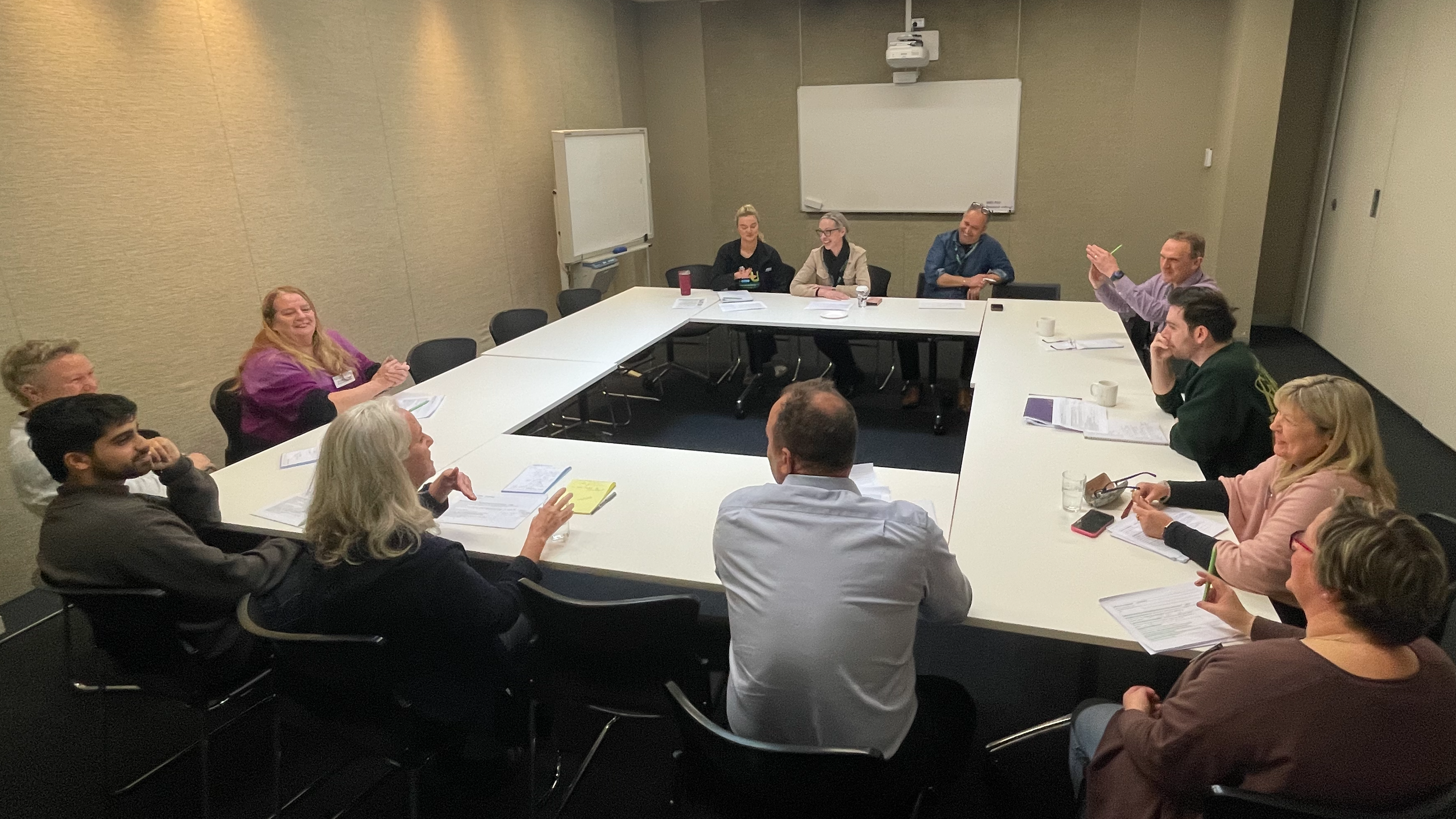
Practising negotiations
Participants work in teams and take part in simulated bargaining sessions, giving them a chance to test arguments, respond to counter-proposals and learn how different personalities and strengths can contribute to an effective negotiating team.
They also explore the idea of a ‘North Star’ – the central priority that matters most to members and helps keep the bargaining team oriented when negotiations become complicated.
The exercises are designed to build confidence rather than produce a script. Reps practise listening, asking questions, reframing an employer argument, pausing to confer with their team and knowing when to press a point or take it back to members.
From workload problem to enforceable clause
One exercise focuses on out-of-hours work. Reps map the demands placed on staff – from parent-teacher interviews, information nights and weekend events to camps, sport, excursions, assessment, planning and responding to parents – and consider how those demands can be translated into clear Agreement protections.
This leads to an exploration of different approaches: averaging hours over a school term rather than a year, setting annual caps on activities and events, recognising camp and co-curricular work, and making sure additional work is either limited or properly compensated.
The principle is simple: teachers’ time has value, and bargaining is about turning that principle into enforceable conditions.
Participants also consider why an incremental gain can still matter. A cap on out-of-hours work may not solve every workload problem, but once a limit is written into an Agreement it creates a foundation members can defend and improve in future bargaining rounds.
Building confident workplace leaders
By the end of the day, Reps have done much more than discuss difficult employers. They have practised preparing a case, identifying what matters most to members, working as a bargaining team, testing possible clauses and responding under pressure.
Those skills are valuable at the bargaining table, but they also strengthen the sub-branch. Better bargaining depends on Reps who can listen to colleagues, build shared priorities and bring members with them. Training helps turn workplace experience into collective confidence and collective power.