Conference inspires and informs teachers of tomorrow
Unionism—what it is and its history—is not a subject taught in schools. Students about to enter the profession may have little understanding of the vital role the IEU and AEU play in setting wages and conditions, protecting individual rights, and advocating for their profession.
That means we have to fill the gap by informing and engaging the next generation about why they should join their union. In 2026, a crucial pillar of that education was the Teaching Forward Conference, held on 8 April at RMIT in central Melbourne.
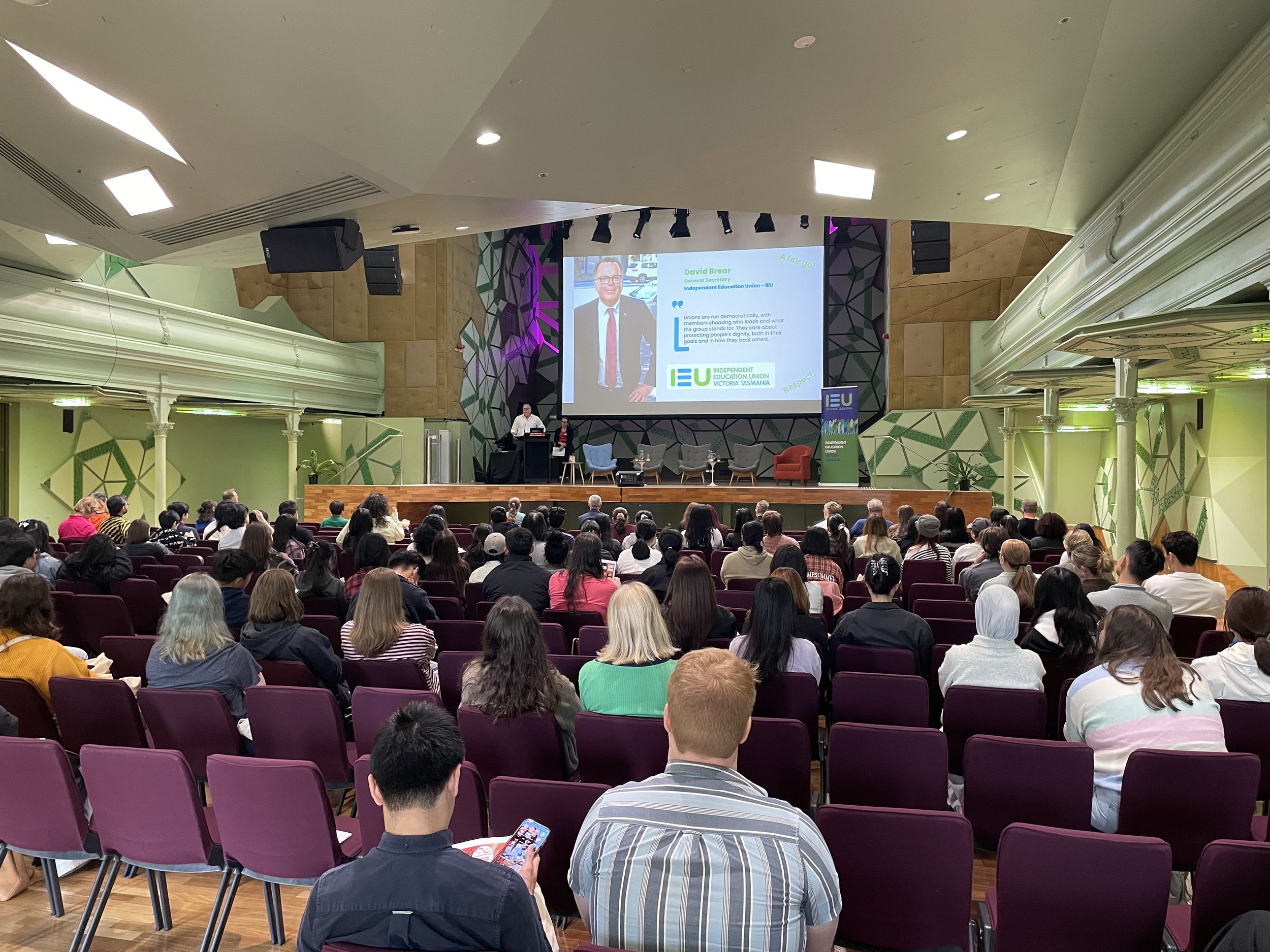
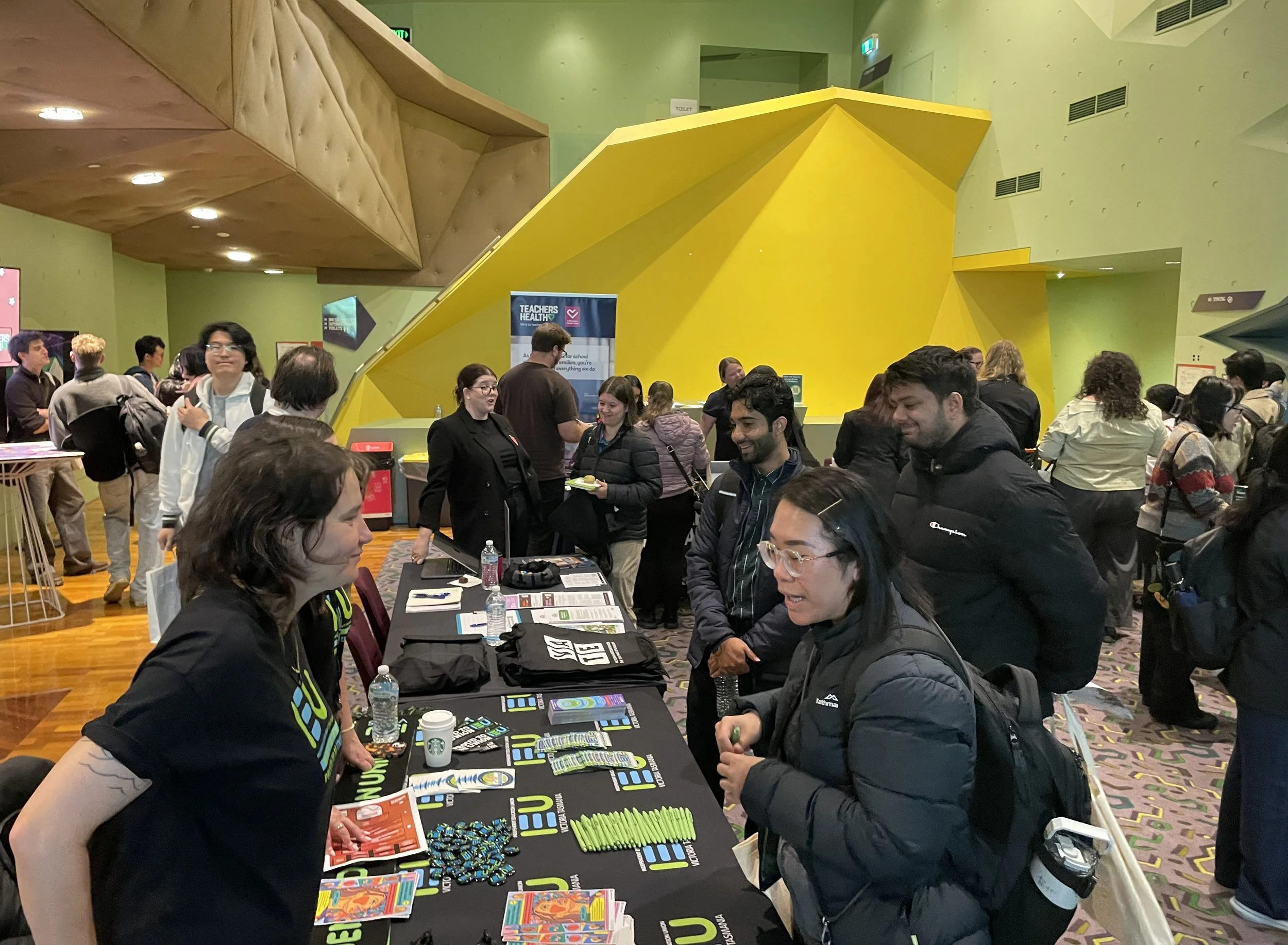
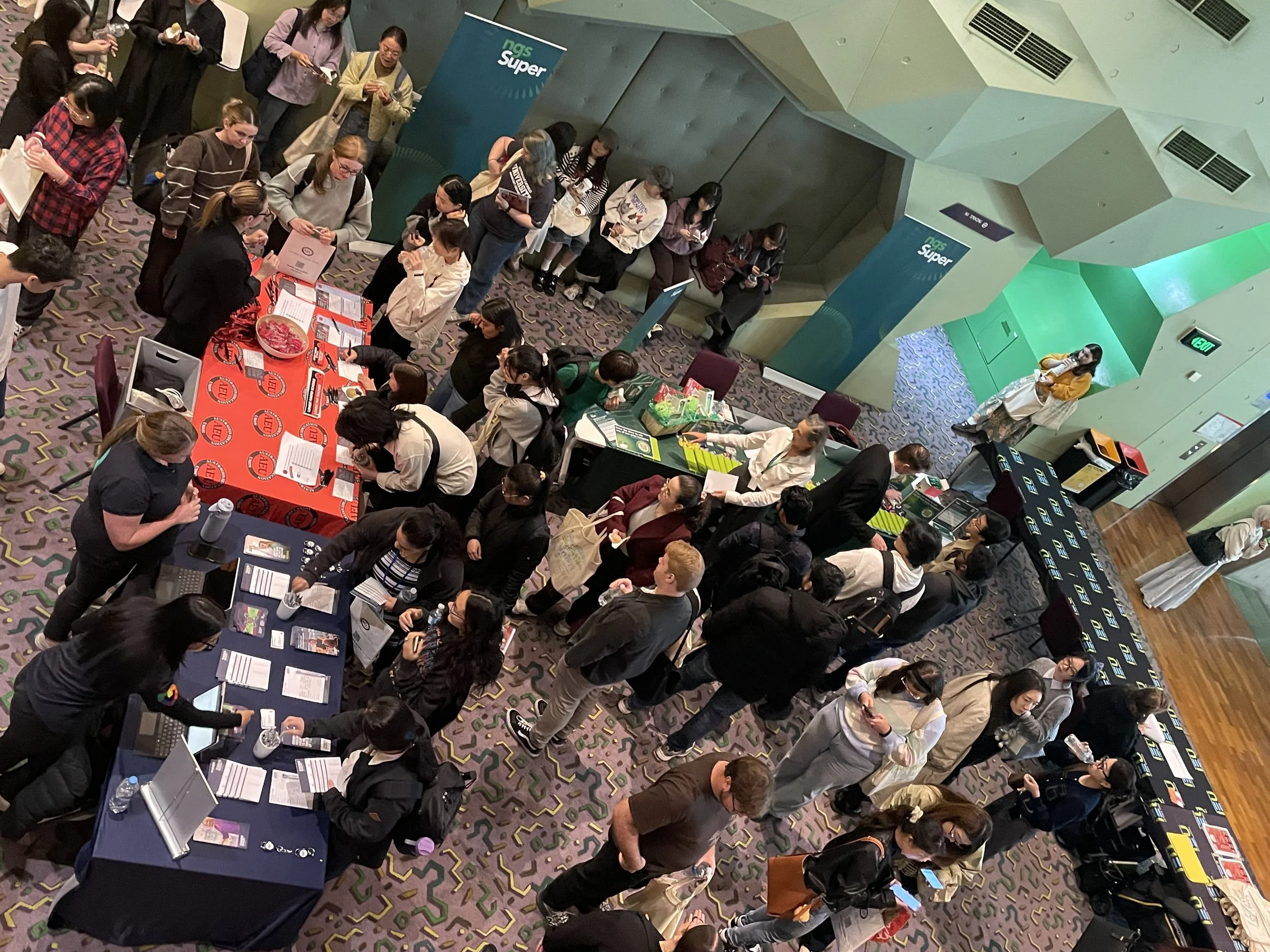
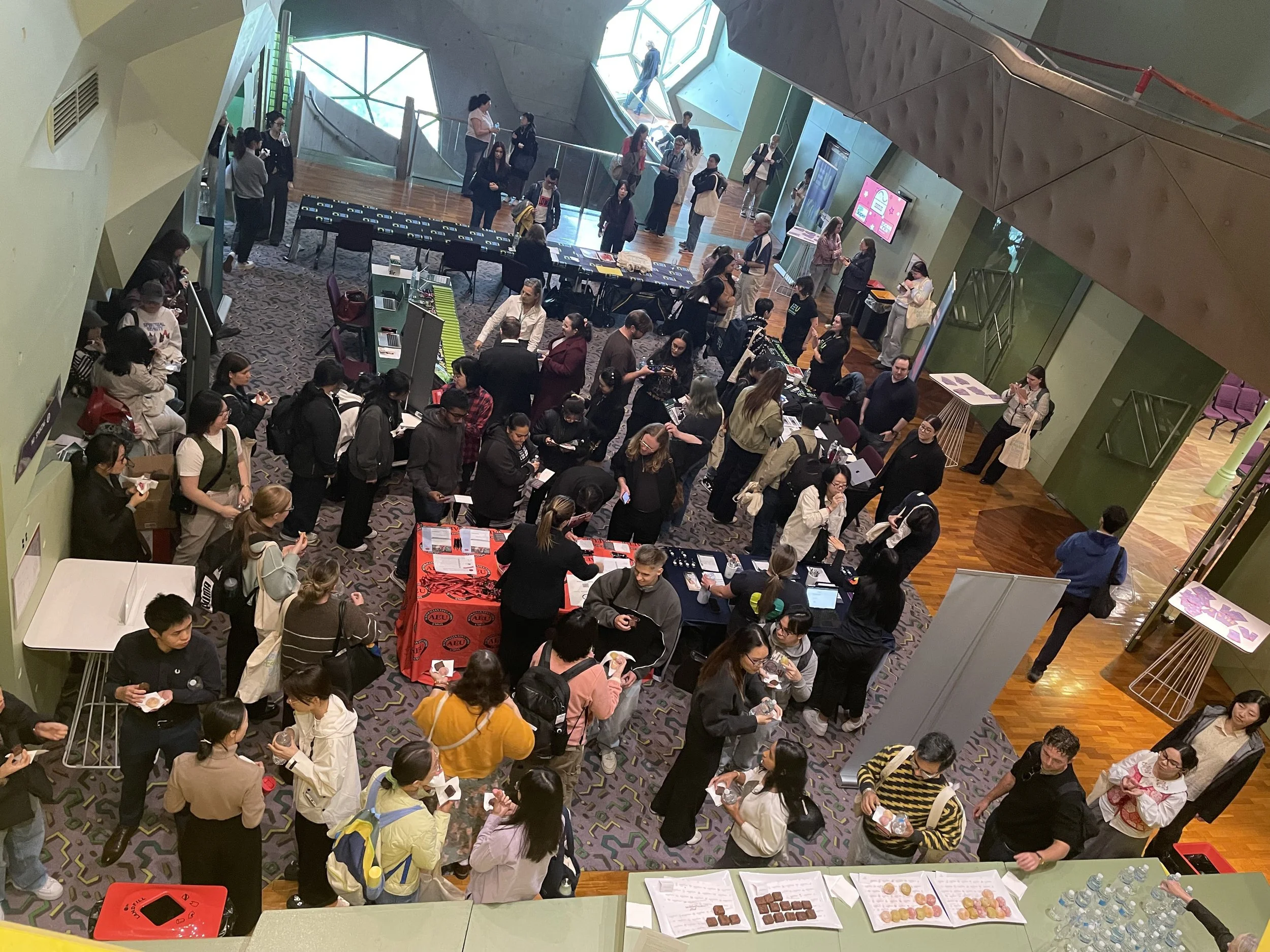
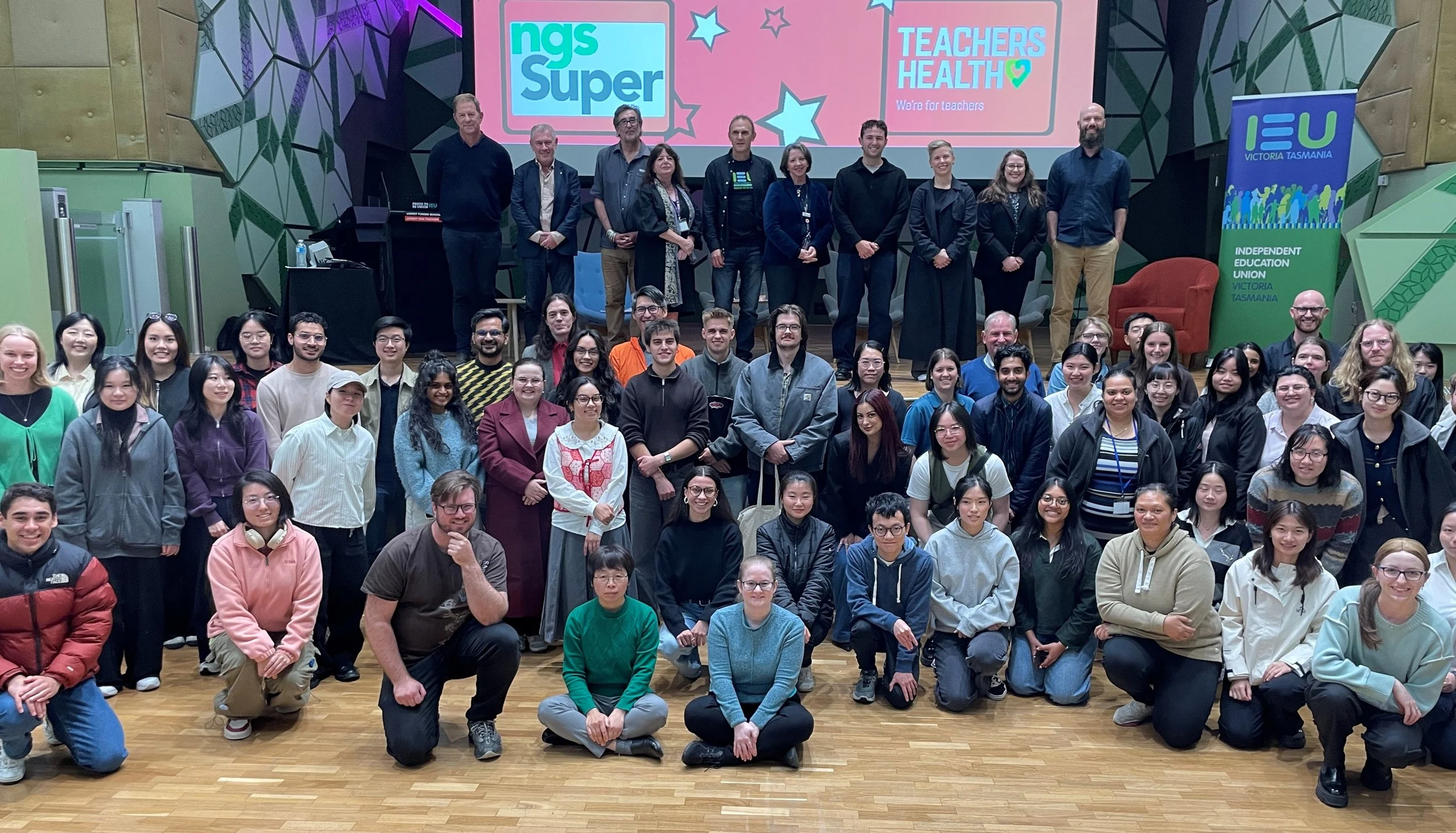
It was an event that had a big impact, with 160 students and graduates signing up as members, and many more taking away priceless insights and advice. The conference also built strong connections with the six major tertiary teaching institutions, creating a network for future student and graduate access to the union.
Unions 101
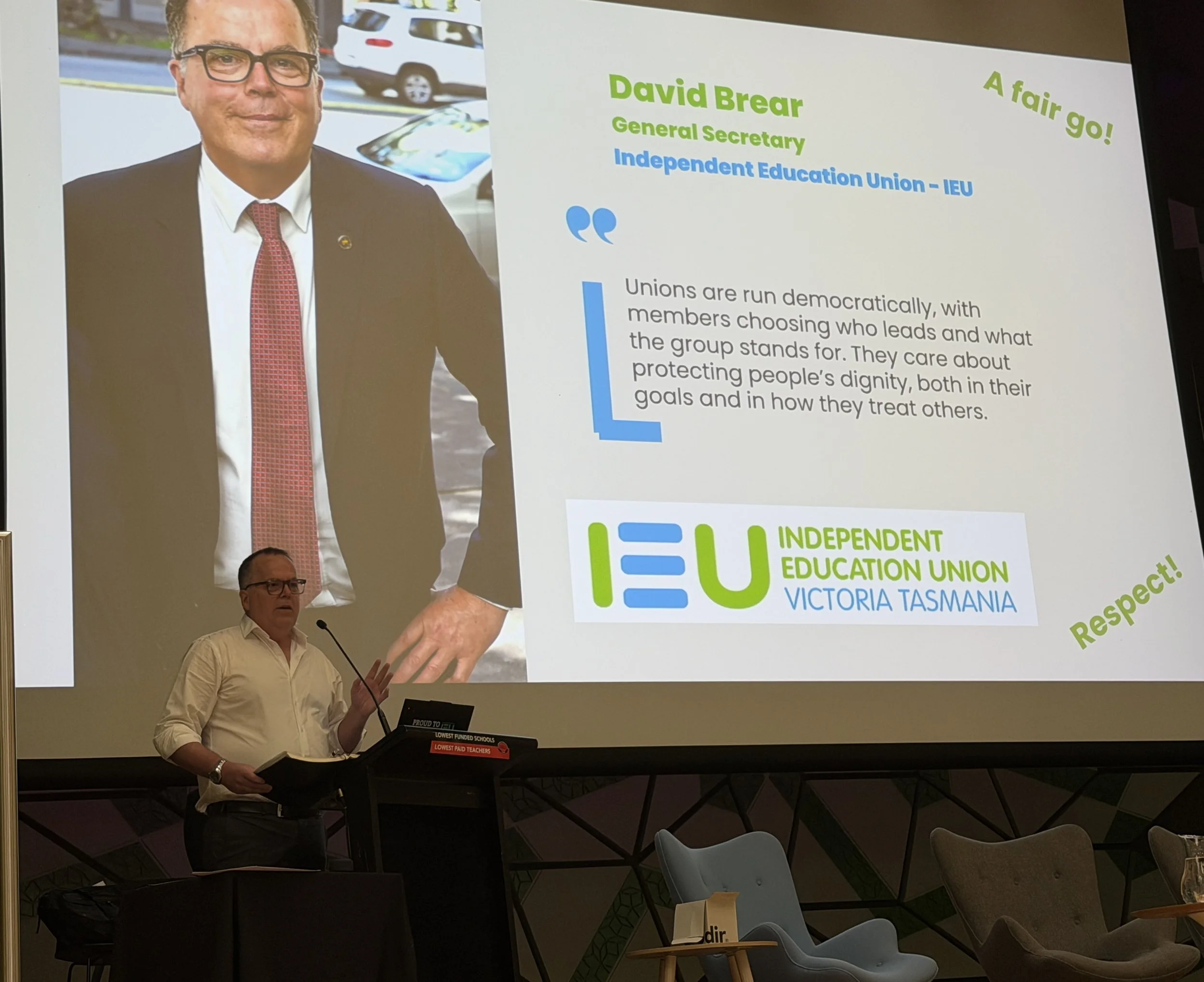
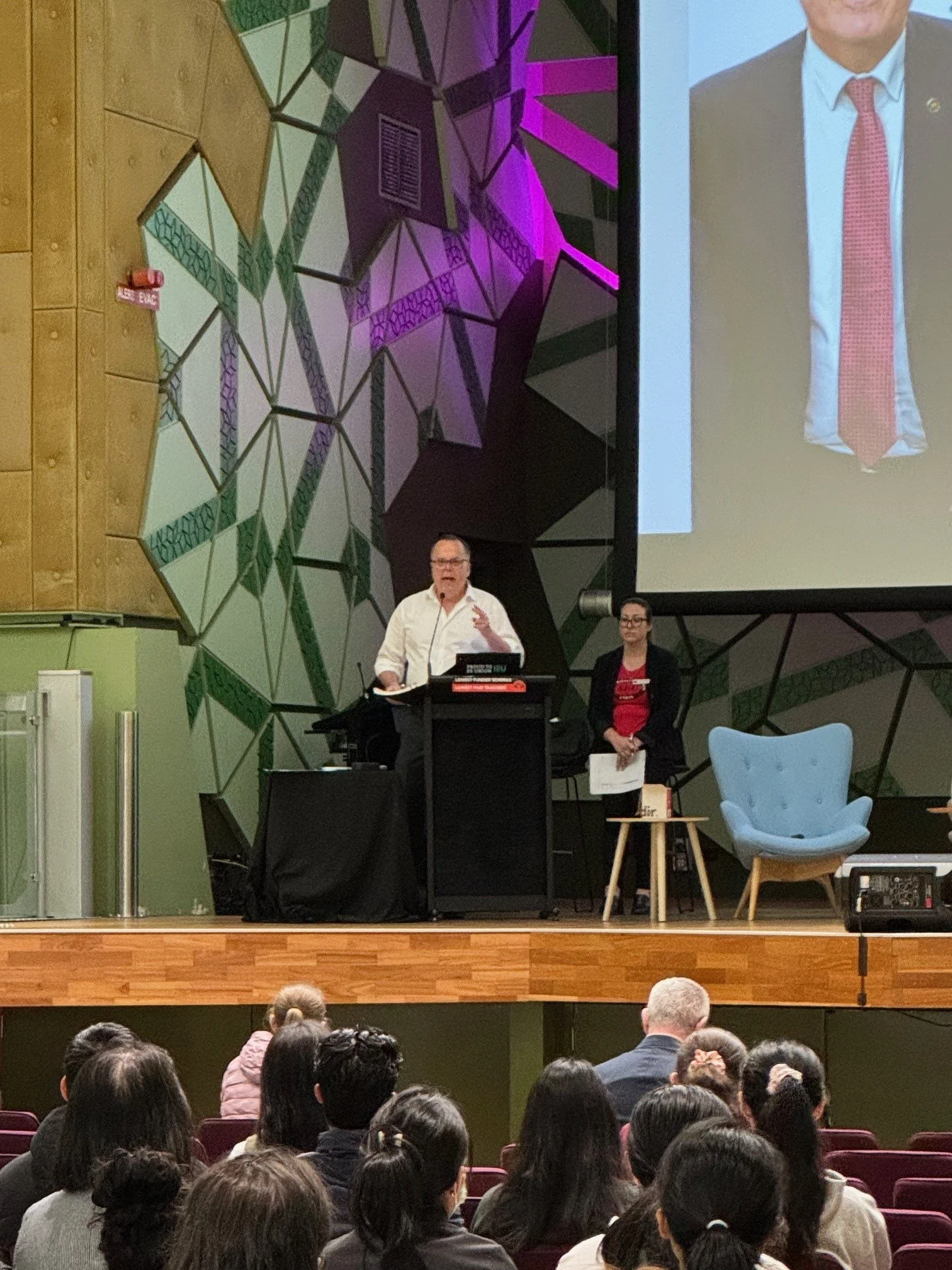
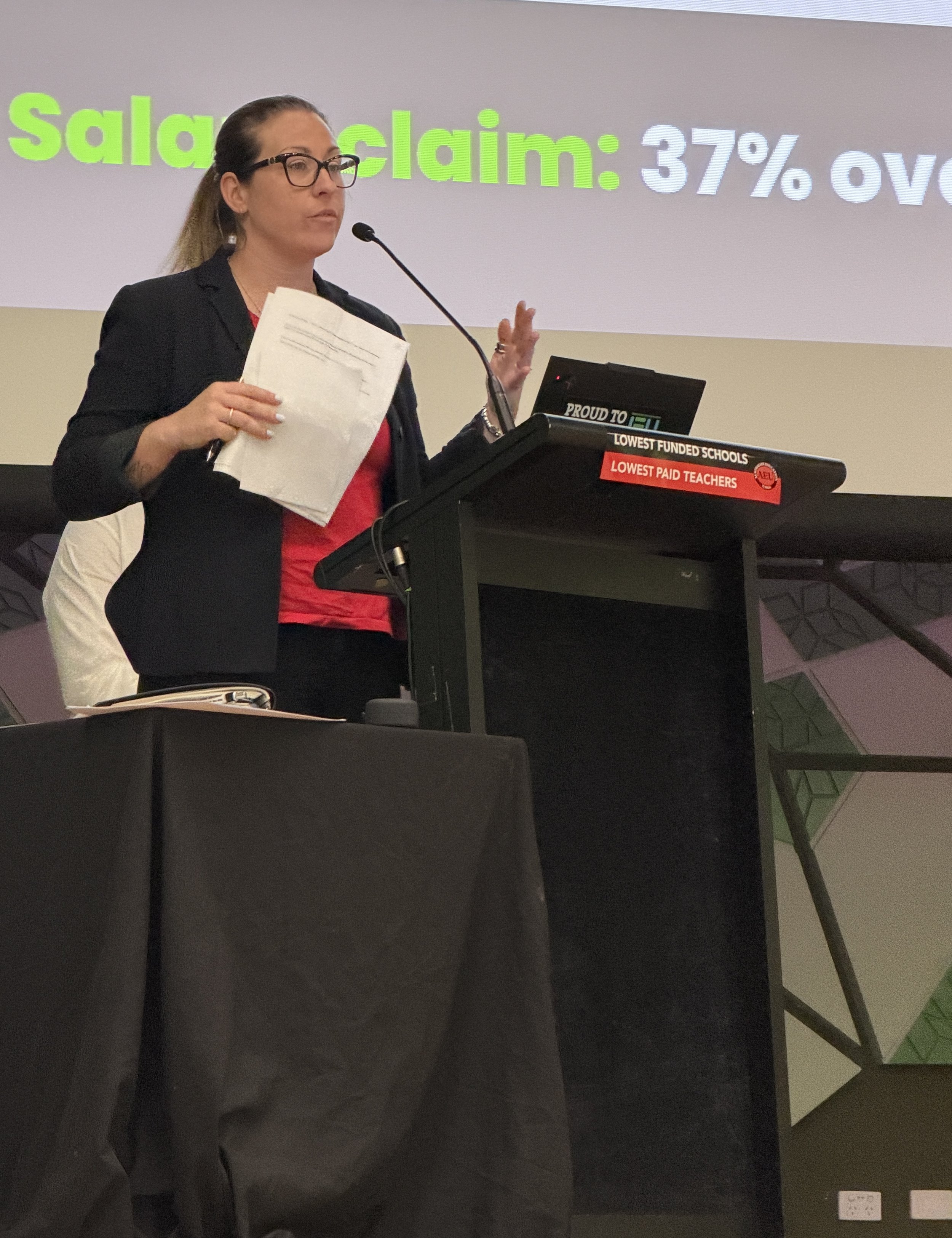
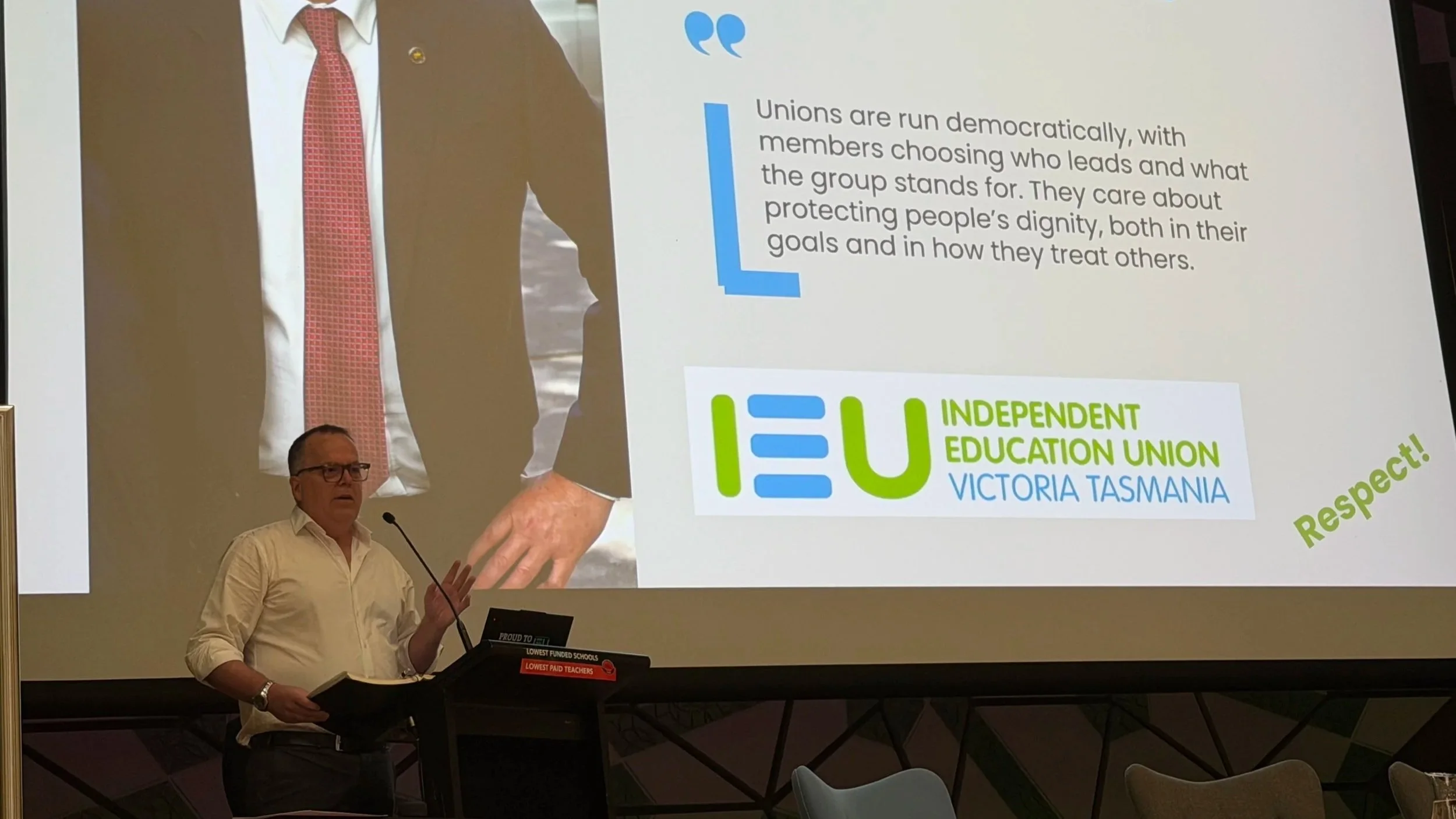
IEU General Secretary David Brear and the AEU’s Pre-Service Teachers Organiser Georgia Charleston offered an overview of the role of unions in Victorian education, explaining how they negotiate wages and conditions, including workload, face-to-face teaching hours, class sizes, and pay.
David explained that conditions differ across independent schools and highlighted that the widening pay gap with other states, combined with rising workload pressures, makes it essential for Catholic and state school staff to have the leverage of industrial action in ongoing negotiations to secure fairer wages and improved working conditions. He also pointed out that unions provide legal support, professional development, and advocacy with government and regulatory bodies.
It was emphasised that only union members can vote on the agreements that help define much of working life for educators, and that pre-service teachers can join their union for free.
Philosophical but practical
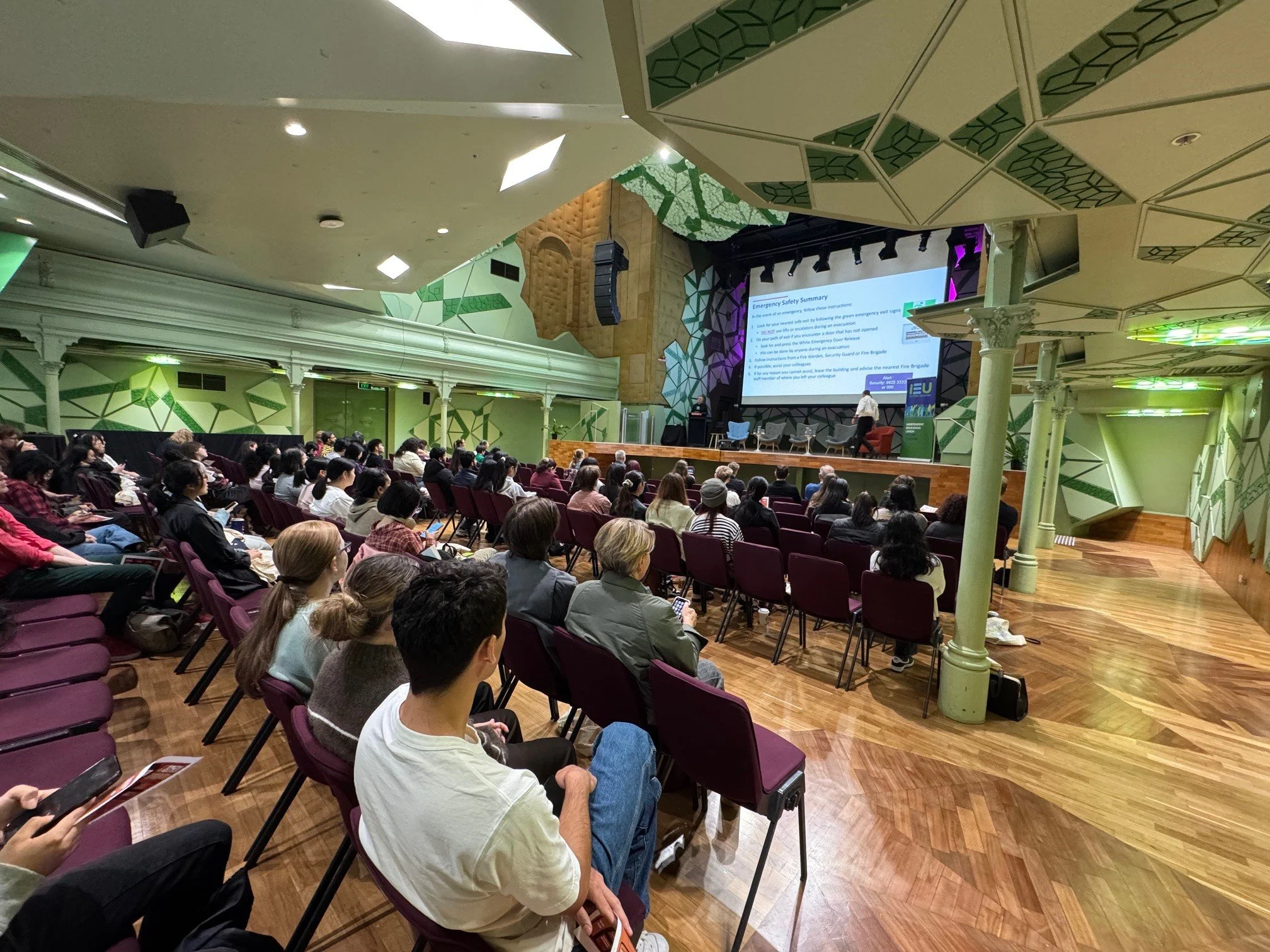
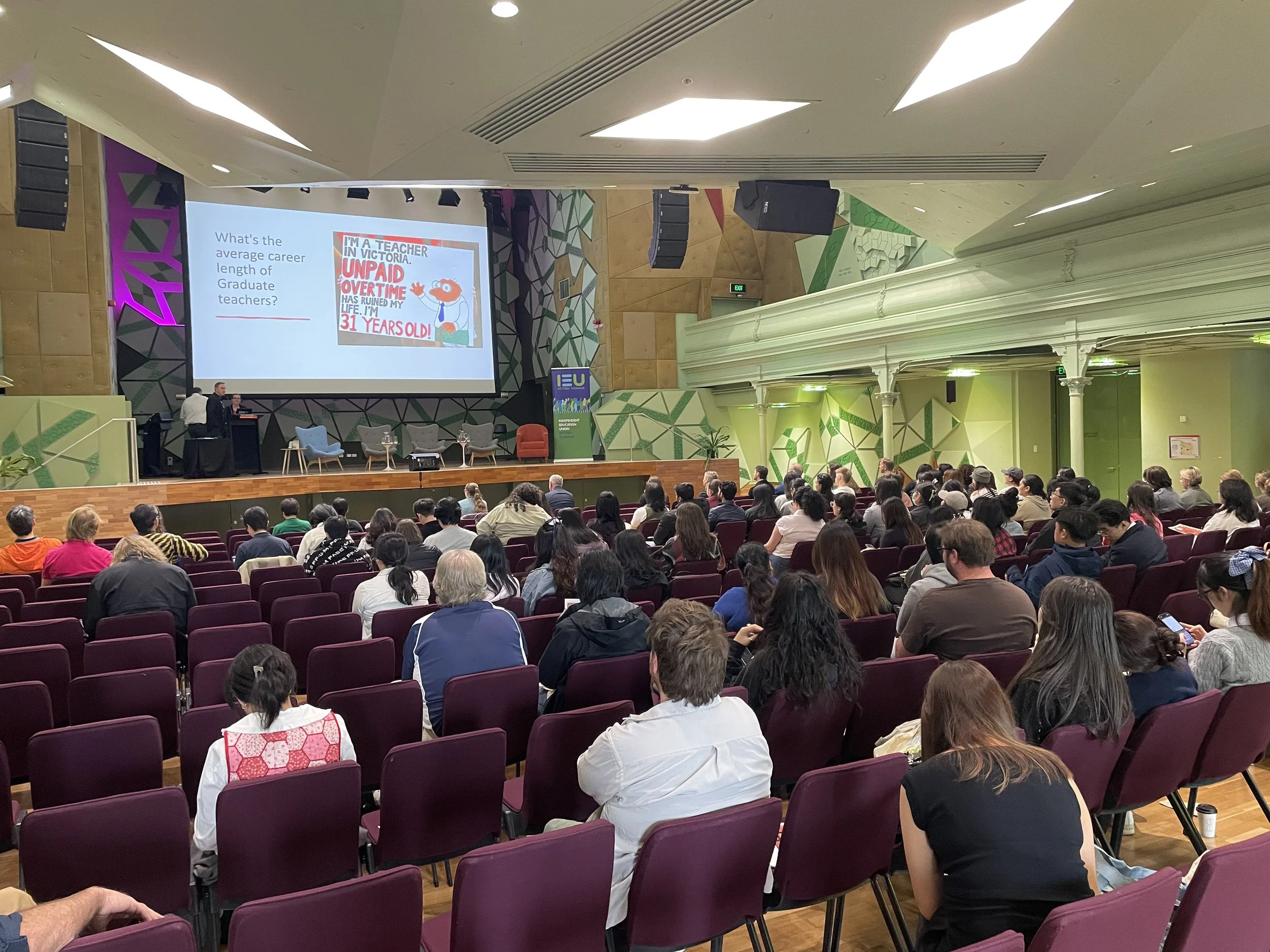
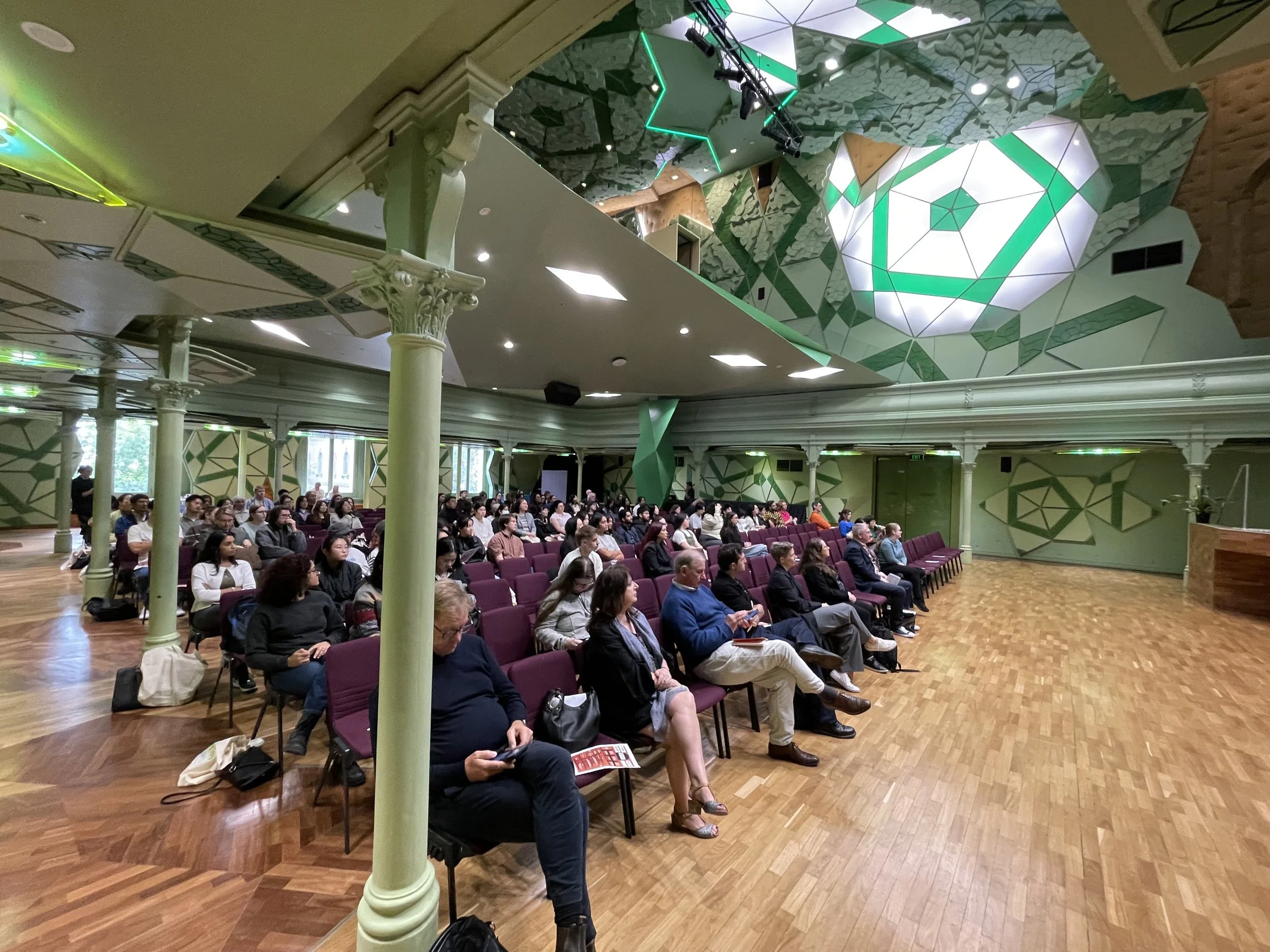
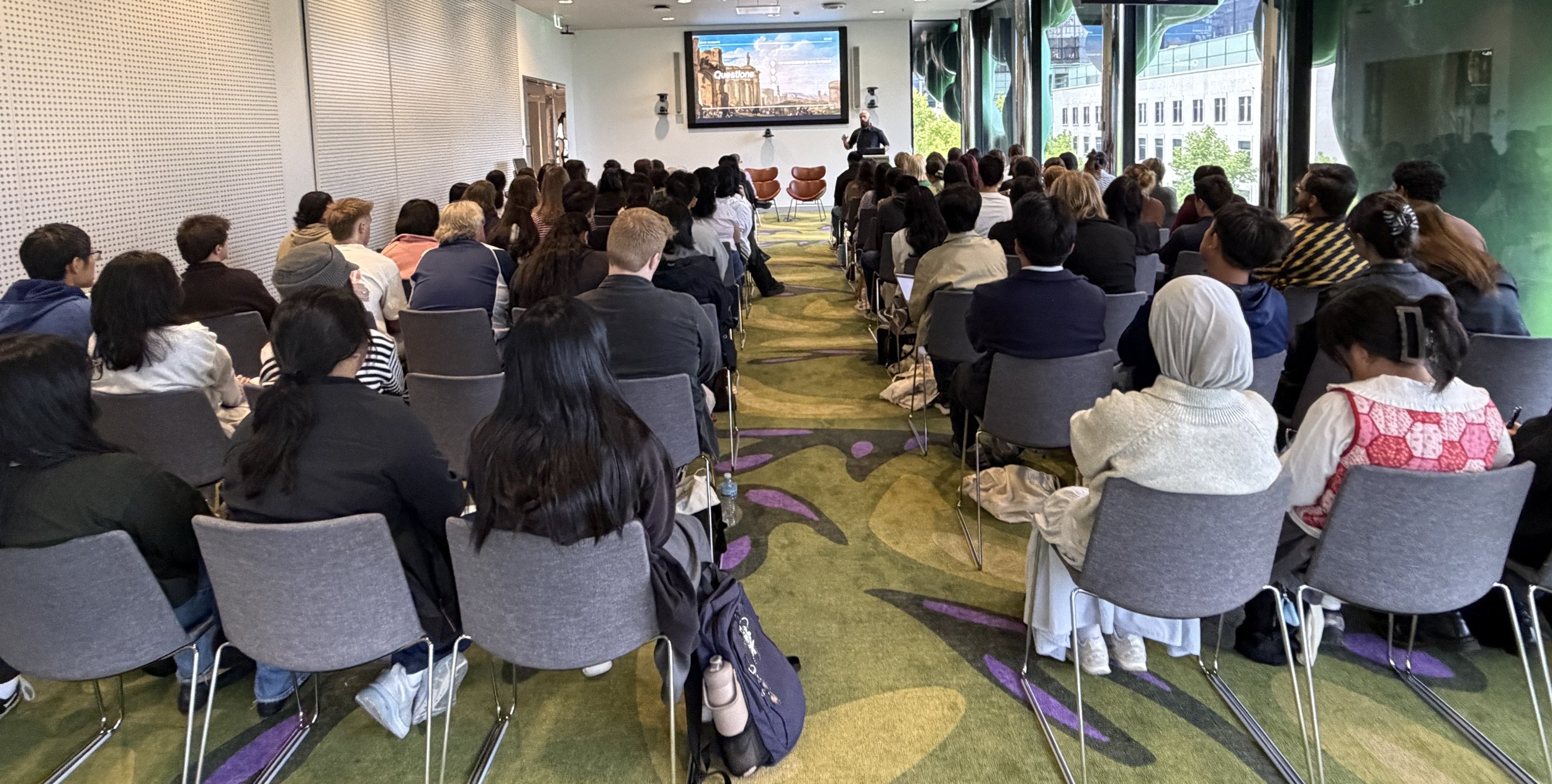
Sessions in the iconic Storey Hall auditorium and surrounding rooms were packed with fledgling educators hearing from experts on superannuation; health and wellbeing; work/life balance; AI; inclusive education; and managing toxic behaviour.
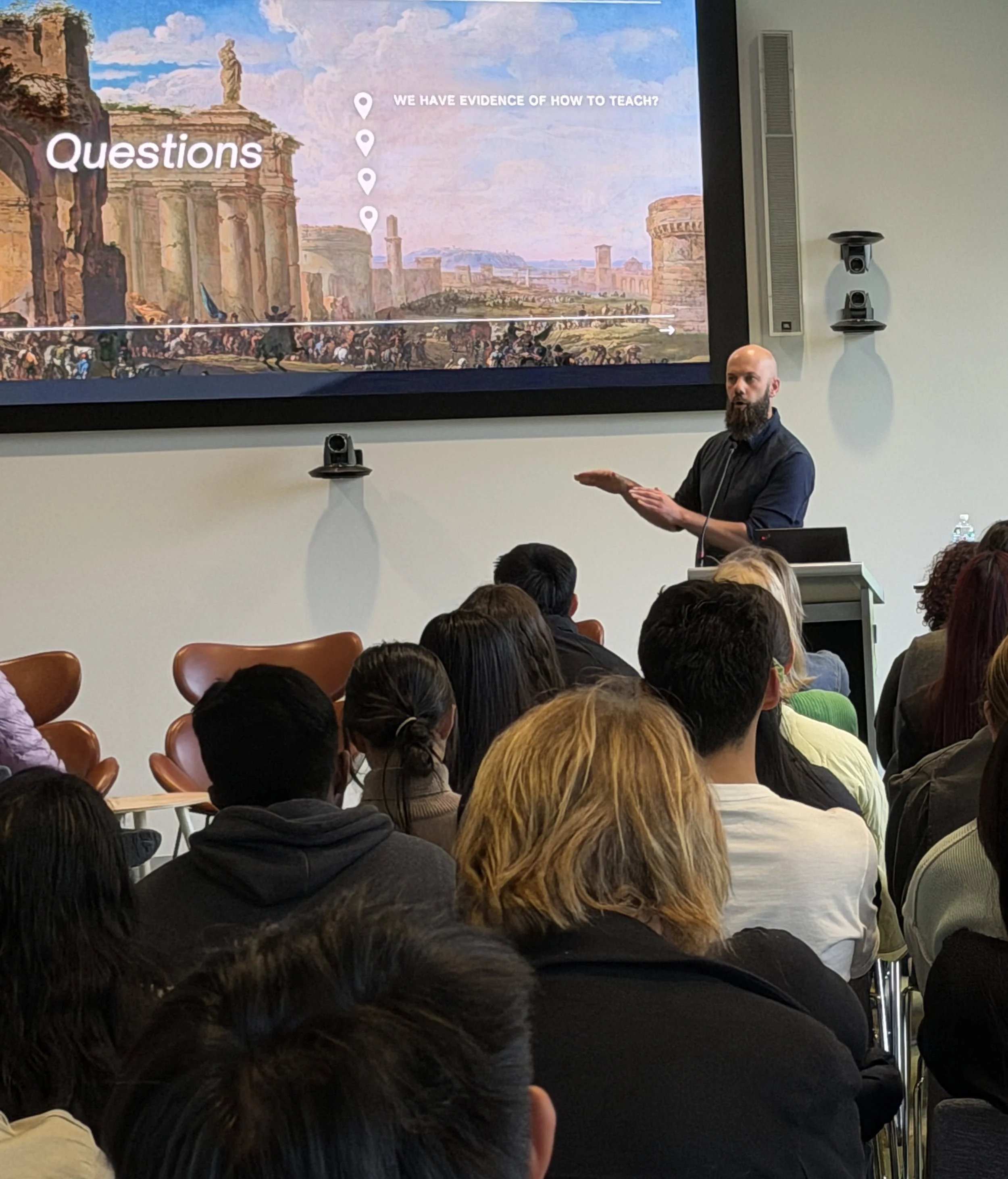
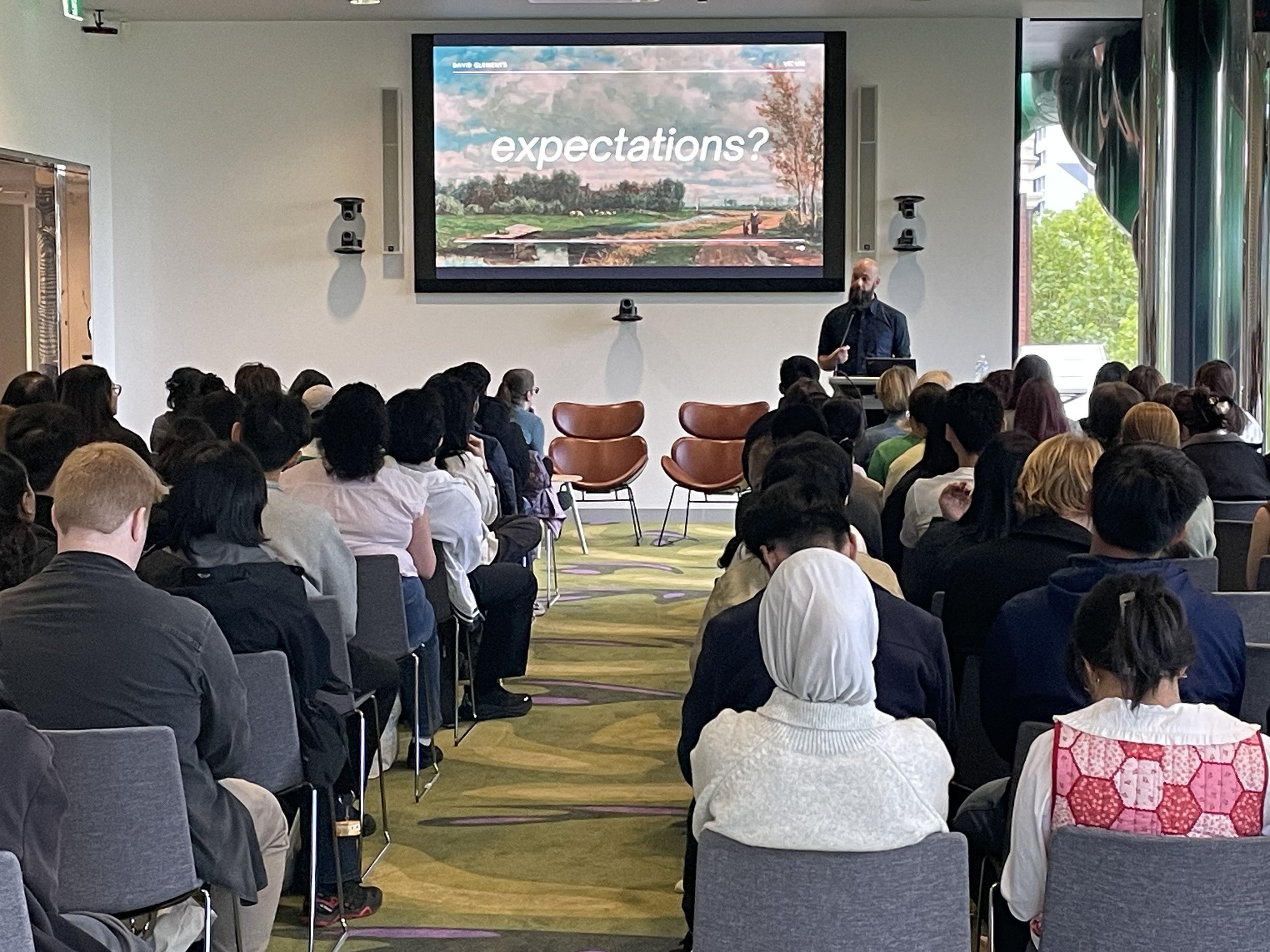
However, the conference offered more than just information. Victoria University academic and former teacher David Clements encouraged students to question fundamental assumptions about learning and teaching to find sustainable ways to cope with classroom demands.
Questions he posed included:
Does teaching cause learning?
Is education necessary?
How do we learn?
David said critically questioning assumptions about teaching allowed him to re-commit to the profession because he realised he was not solely responsible for every student’s outcomes. He encouraged teachers to explore alternatives that work for them. “There are lots of possibilities: ask ‘why do I have to do this or in this way?’”
Peer group pearls of wisdom
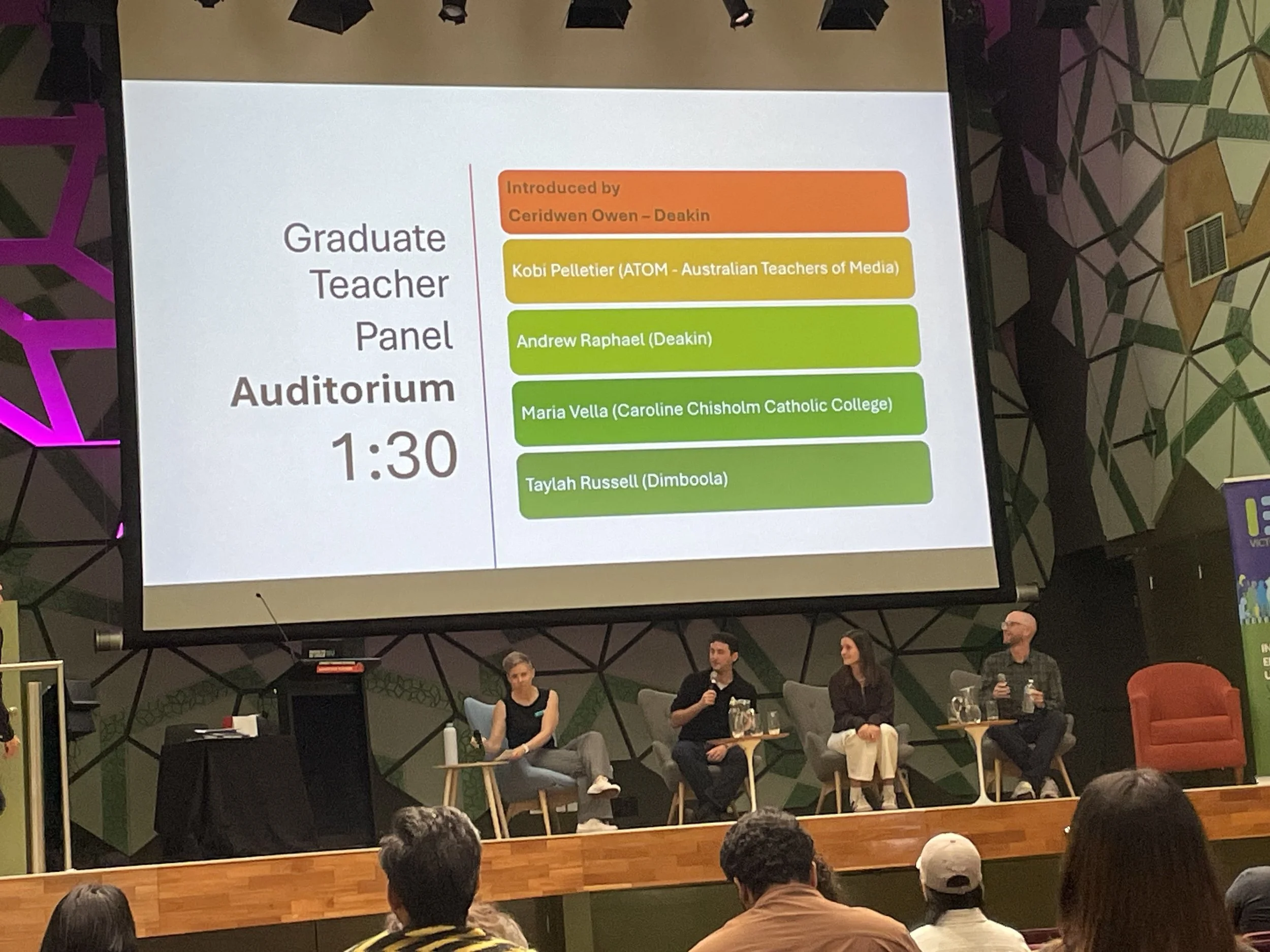
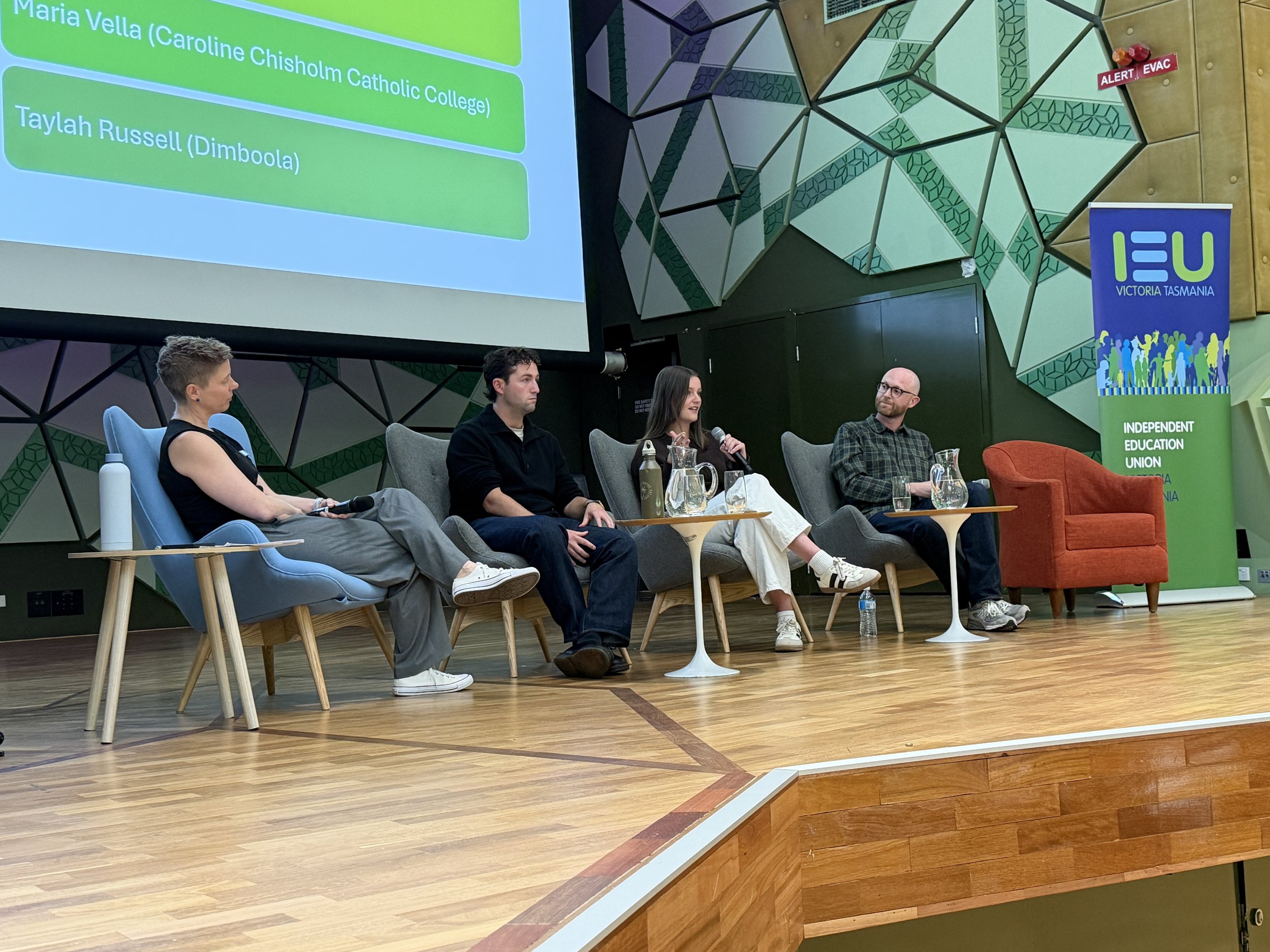
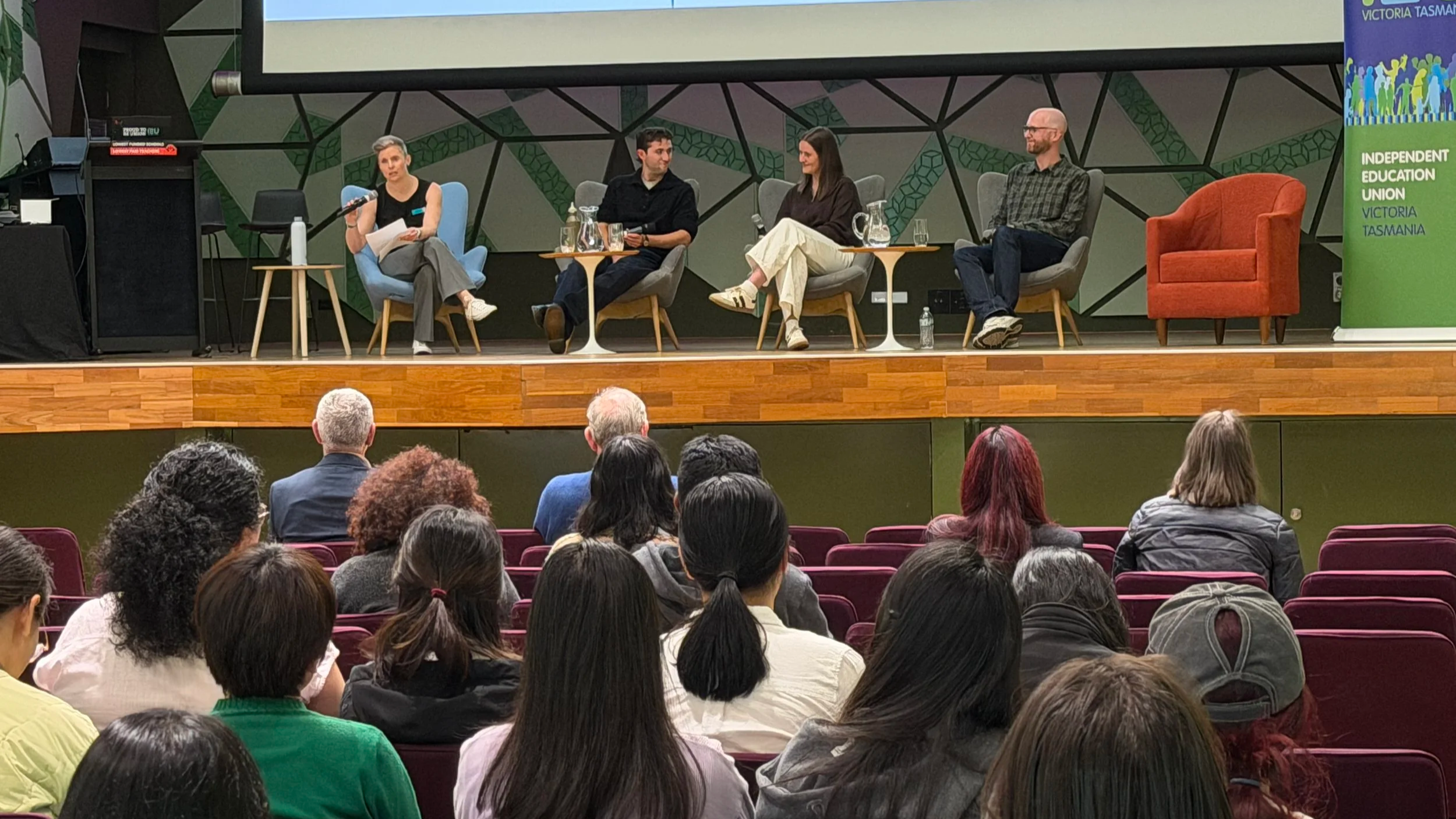
Conference attendees also heard firsthand from recent graduates about their experiences as pre-service or new teachers.
Taylah, Andrew, and Kobi shared horror stories from their first days teaching, including full-scale chaos in classrooms and a shoe being used as a football, which then became a target for a student kicking a glue stick. Practical takeaways included: “Never turn your back on your students” and “Don’t stand between people fighting.”
Taylah said the most important lesson was that challenging experiences become war stories to tell your colleagues and: “You will sometimes have a cry, and then you get back up and get back in.”
All three offered practical guidance on managing expectations and practising self-compassion, engaging students by connecting learning to their interests, balancing teaching responsibilities, seeking mentorship and school support, choosing the right school, and maintaining wellbeing outside the classroom.
The elephant in the room
The conference confronted the low retention rate among graduates head-on. In a post-lunch session, participants discussed strategies to combat the daunting workloads of educators. Student responses highlighted awareness of burnout and its role in nearly half of graduates leaving the profession within five years.
Strategies included:
Maintaining non-teaching friendships
Collegial support
Prioritising wellbeing
Being mentally prepared
Resting on days off
Using placement to practice
Never doing work on Friday night.
The message was: “This is a challenging profession, but it reaps greater rewards than others. When you feel like you want to leave, take a moment. Get some perspective. And then go back to teaching or explore other educational roles that can be fulfilling.”
Leadership group encouragement
The final session, featuring a panel of prominent principals, reinforced that the tough moments in teaching are worth it. Principals emphasised the importance of boundaries, self-compassion, and work-life balance, noting that emotional highs and lows are inherent in the profession and every educator needs their own strategies for coping.
Mentorship, supportive school structures, and developing networks within and beyond the school were identified as essential for early-career teacher retention and professional growth. The school leaders stressed persistence, adaptability, and finding a school and role that aligns with a new teacher’s values, while maintaining wellbeing through clear boundaries, diverse experiences, and life outside teaching.
It’s worth it!
Most importantly, the principals highlighted the rewards of teaching, particularly student connections, relationship building, and witnessing student growth over time:
“The joy of being in teaching… the beauty of a young person growing to be an adult… there’s something quite beautiful in teaching that you can’t bottle.”
“We’re probably, along with nursing and medicine, one of the most important careers in the world… you’re going to be doing a very important job.”
“One piece of advice about starting in teaching: it’s the best thing you’ll ever do… it’s incredibly rewarding.”
“Have fun with it. You won’t find a more fulfilling career.”
The Teaching Forward Conference, hosted by RMIT, was a successful collaboration of the IEU, AEU and 8 academics from 6 universities, directly addressing the need to help provide pre-service teachers with support and advice as they prepare to enter the workforce.
It offered practical advice, heartfelt insights, and unexpected provocations that will serve this group of new teachers for years, and which will remain closely linked to the union’s work.