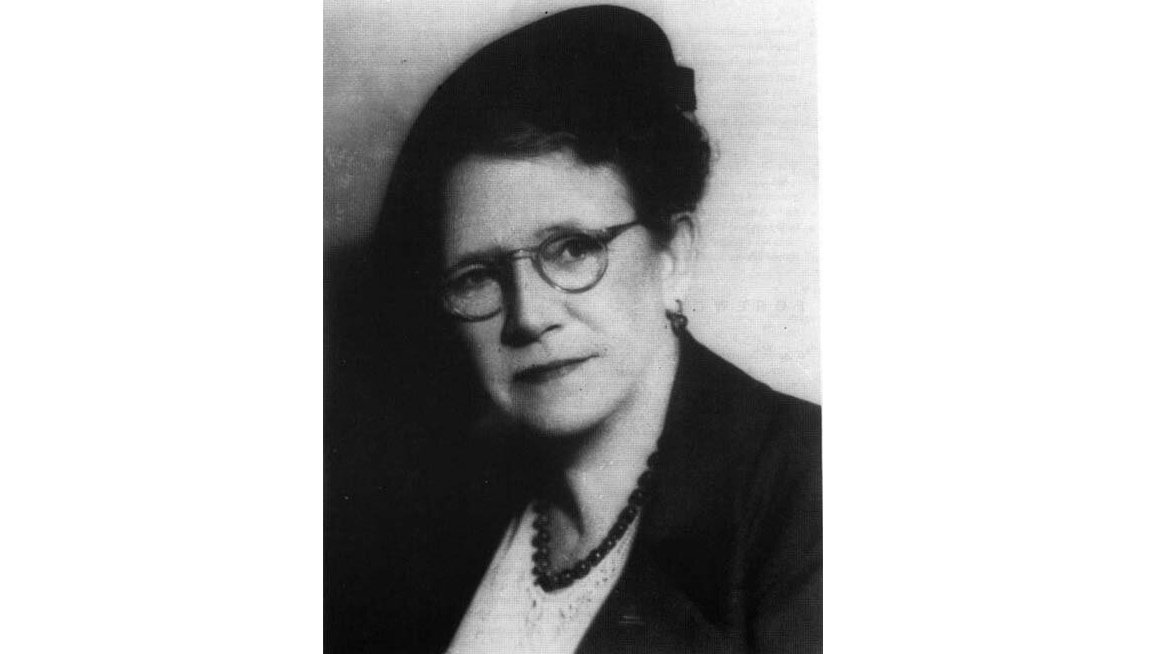
On 14 May each year, ACTU historian Liam Byrne celebrates the legacy of one of his heroines of the trade union movement, trailblazing activist Muriel Heagney.
It’s not her birthdate; it’s the date she died.
Muriel Heagney died on 14 May 1974 – just one week after women finally won equal pay in the National Wage Case, a victory she had fought for across six decades.
She lived just long enough to see history catch up with her.
Across decades of setbacks, hostility and indifference, she remained one of Australia’s most determined advocates for working women and a central figure in the labour movement’s long campaign for wage justice.
Liam says she is an icon of our movement who ‘made extraordinary change against incredible odds’ and we should continue the fight for gender equality in her spirit.
Catholic school origins
Muriel fought to end gender underpayment from the time she started working as a young teacher in a Catholic school, where she was paid half the wage of her male colleagues.
Born in 1885 and raised in Melbourne in a Labor family, Muriel was an active unionist by the early 1910s. During the First World War she worked as the only woman clerk in the Defence Department – and outside work hours as an ardent campaigner against conscription!
Working for women in trying times
Throughout the 1920s and 1930s, Muriel, a meticulous researcher and organiser, worked with unions preparing submissions to royal commissions and arbitration hearings, arguing against wage inequality.
She briefly worked with the International Labour Organisation in Geneva and represented Melbourne Trades Hall at the first British Commonwealth Labour Conference in London, before helping establish the Unemployed Girls’ Relief Movement in 1930, which assisted thousands of women during the Great Depression.
In 1935 she published the influential pamphlet Are Women Taking Men’s Jobs?, which argued that women’s right to work did not depend on marital status, dependants or economic convenience, but on their right to independence and equality as workers and citizens.
In 1937 she helped found the Council of Action for Equal Pay, a coalition of union women which pushed unions to take equal pay seriously as an industrial issue. Its campaigning helped secure ACTU support for equal pay, formally adopted as policy in 1941.
As women’s organiser for the Amalgamated Engineering Union from 1943 to 1947, Heagney helped win wage gains for women workers and continued campaigning through arbitration hearings, public writing and union advocacy despite strong resistance and fading institutional support.
The broader labour movement eventually returned to the cause she had championed for so long. ACTU equal pay cases in 1969 and 1972 established equal pay for the same work and then for work of equal value, challenging the systematic undervaluing of female-dominated occupations.
Muriel Heagney’s legacy runs through every union campaign for pay equity, workplace dignity and gender equality. She changed Australia through decades of intelligent, committed organising, research, advocacy and sheer persistence.
Our union in particular should think of her, like Liam does, every 14 May.