
Victoria moves to curb NDAs in workplace sexual harassment cases
On 29 October, the Victorian Government introduced a long-awaited bill to restrict the use of non-disclosure agreements (NDAs) in workplace sexual harassment cases – a reform survivors and unions have sought for years.

The bill aims to end the routine silencing of workers through confidentiality clauses in settlements and to shift the focus to safety and accountability.
Wil Stracke, Assistant Secretary, Victorian Trades Hall Council, said the new law was game-changing.
“It’s a positive step towards ending sexual harassment in workplaces. Changing workplace cultures starts with transparency. It’s time for employers to take workplace harassment seriously and put safety before silence.”
Why NDAs are a problem
NDAs are confidentiality clauses commonly embedded in settlement agreements. In sexual harassment matters, they have isolated survivors, restricted access to support and advice, and concealed patterns of harm.
In most cases, these agreements don’t protect workers. They protect perpetrators and the employers who let them get away with it.
“Protecting the reputations of employers and shielding perpetrators from accountability should not be more important than the harm caused to victims and the safety of other workers,” said Stracke.
What the bill would change
If passed, employers could no longer require an NDA to resolve a sexual harassment complaint.
The proposal would:
Prohibit NDAs unless requested by the complainant
Mandate an information statement and a review period before any NDA is signed
Ban pressure or influence on workers to enter an NDA
Create exceptions so workers covered by an NDA can still speak to bodies such as Victoria Police and to medical and legal professionals
Allow a worker to end an NDA after 12 months’ notice to the other party.
Victorian Premier Jacinta Allan and IR Minister Jaclyn Symes announced the Restricting Non-Disclosure Agreements (Sexual Harassment at Work) Bill 2025, noting NDAs began as tools to protect trade secrets but in harassment settlements have entrenched “a culture of secrecy – enabling perpetrators to re-offend, letting employers avoid action to prevent sexual harassment in their workplaces, and preventing victims from openly speaking about their experiences”.
Allan said, “How can we have a hope of stopping sexual harassment in the workplace when the conduct gets hidden, the victim gets silenced, and the powerful stay protected?”
The case for change was informed by the 2024 report Let’s talk about confidentiality (University of Sydney, Human Rights Law Centre, Redfern Legal Centre), which found approximately 75% of legal practitioners had never resolved a sexual harassment settlement without a “strict NDA”.
It warned: “The widespread use of strict NDAs means we continue to know very little about what is happening with sexual harassment in our workplaces and the impact of recent law reform in curbing perpetrator behaviour.
“NDA use is so entrenched that many lawyers do not advise of the option of not having one: close to 30% of applicant lawyers and 50% of respondent lawyers have never provided this advice to clients.”
The Guardian reported that several women who signed an NDA “struggled to find work again, as they were unable to explain their history or gaps in their résumé”.
How we got here — and what’s next
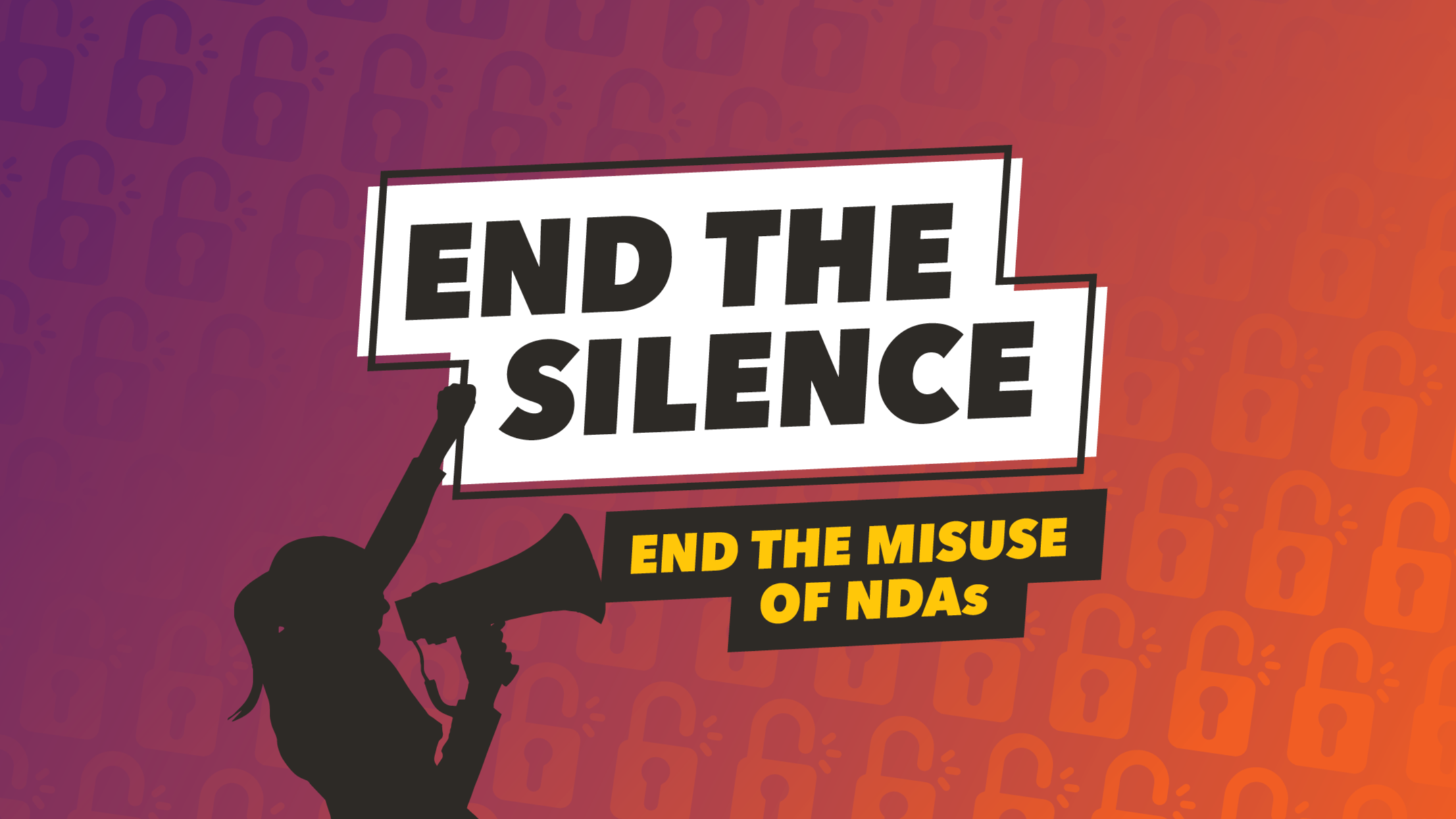
This reform follows years of collective organising led by the Victorian Trades Hall Council. Since 2022, its “End the Silence” campaign, mobilised over 300 activists, met with 70 MPs, collected more than 8,000 petition signatures and gathered 256 survivor testimonies, with nearly 90% of submissions to the government’s inquiry supporting strong, survivor-centred reform.
“When we started this campaign, a lot of people said there was no way to stop bosses from using NDAs to silence workers,” said Wil Stracke. “We were told the practice was too entrenched and couldn’t be changed. But thousands of working women stood up in their unions and said, ‘this isn’t right’. And they demanded better.”
The legislation is being debated as we go to print. Unionists are watching closely to ensure survivors’ voices remain central and the final law truly protects workers.