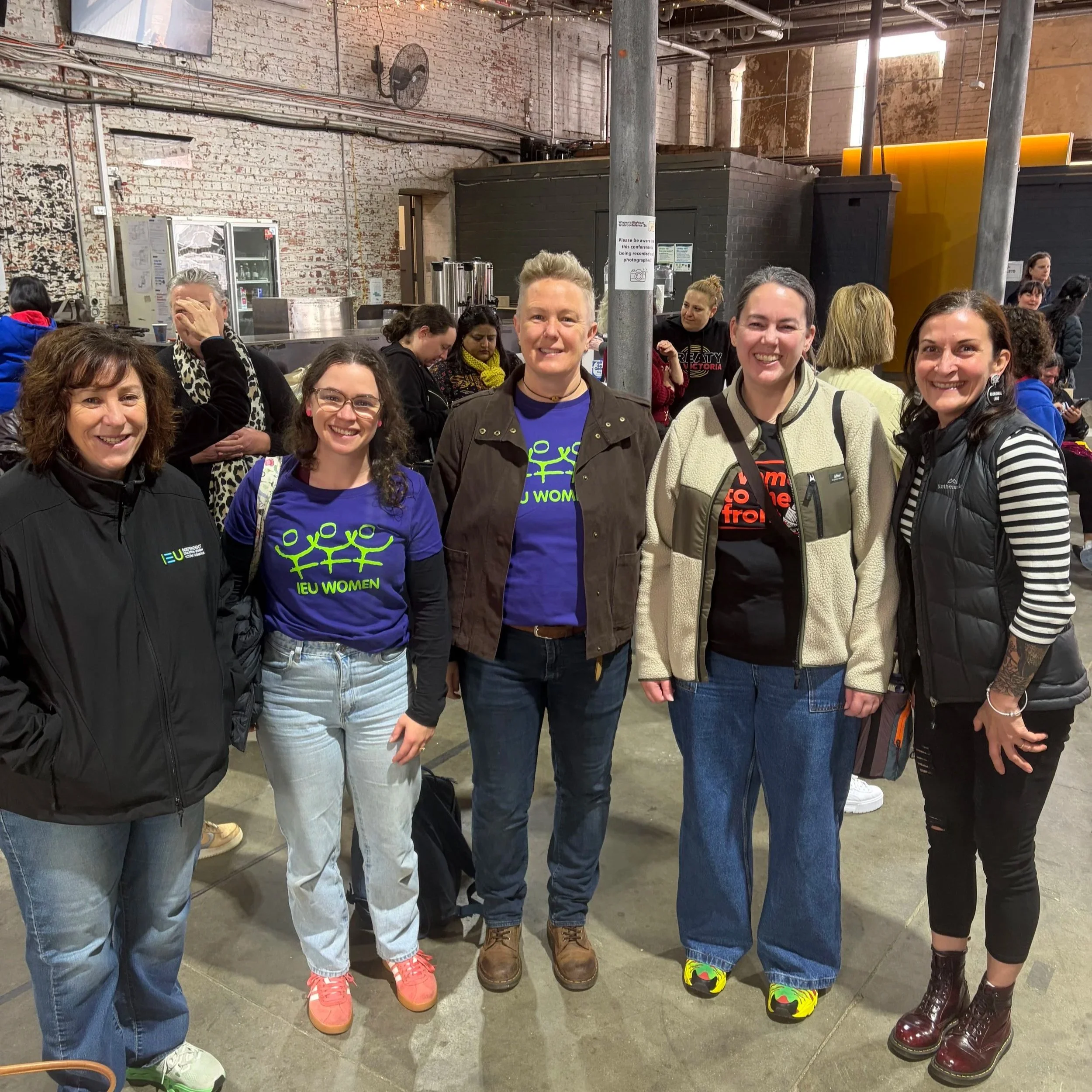
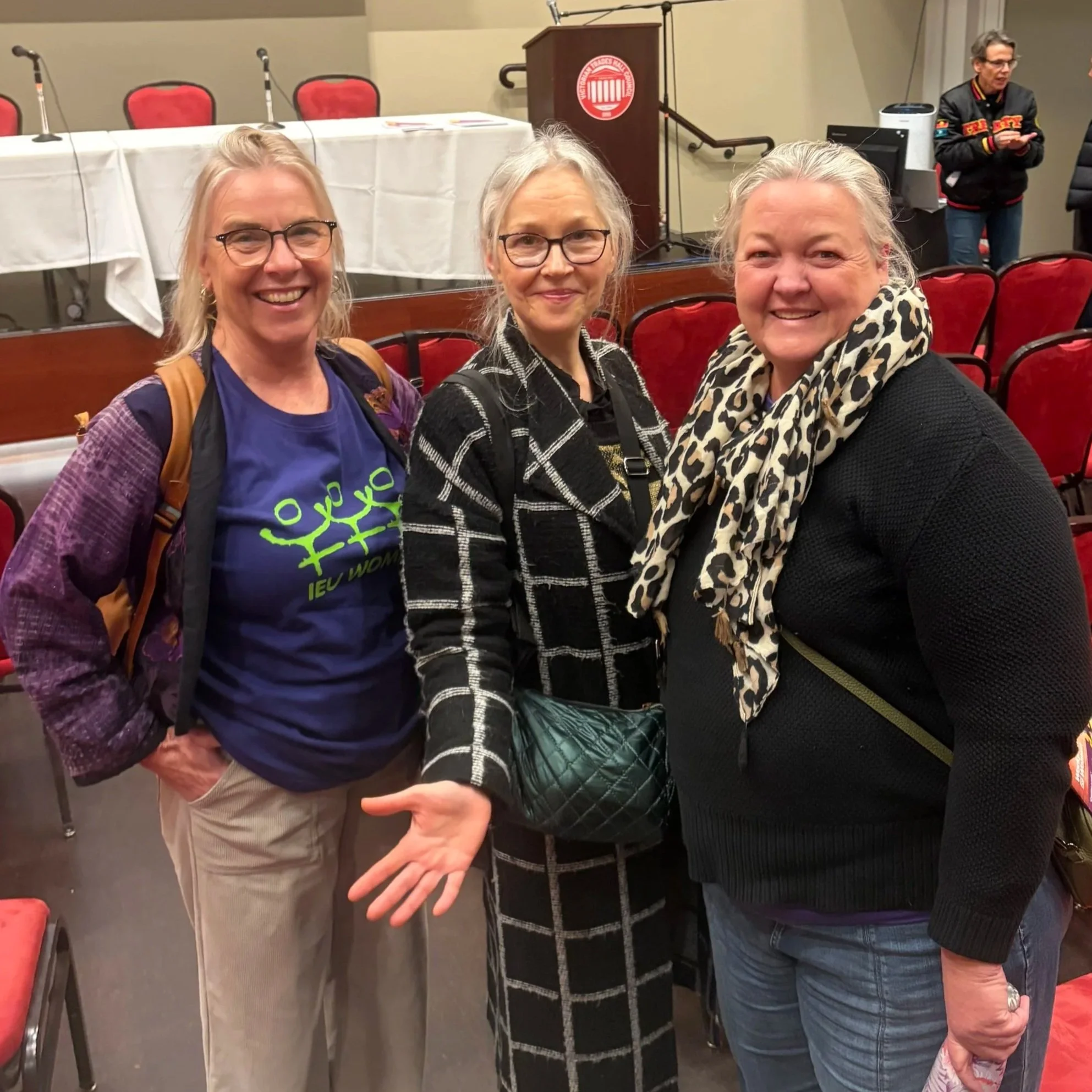
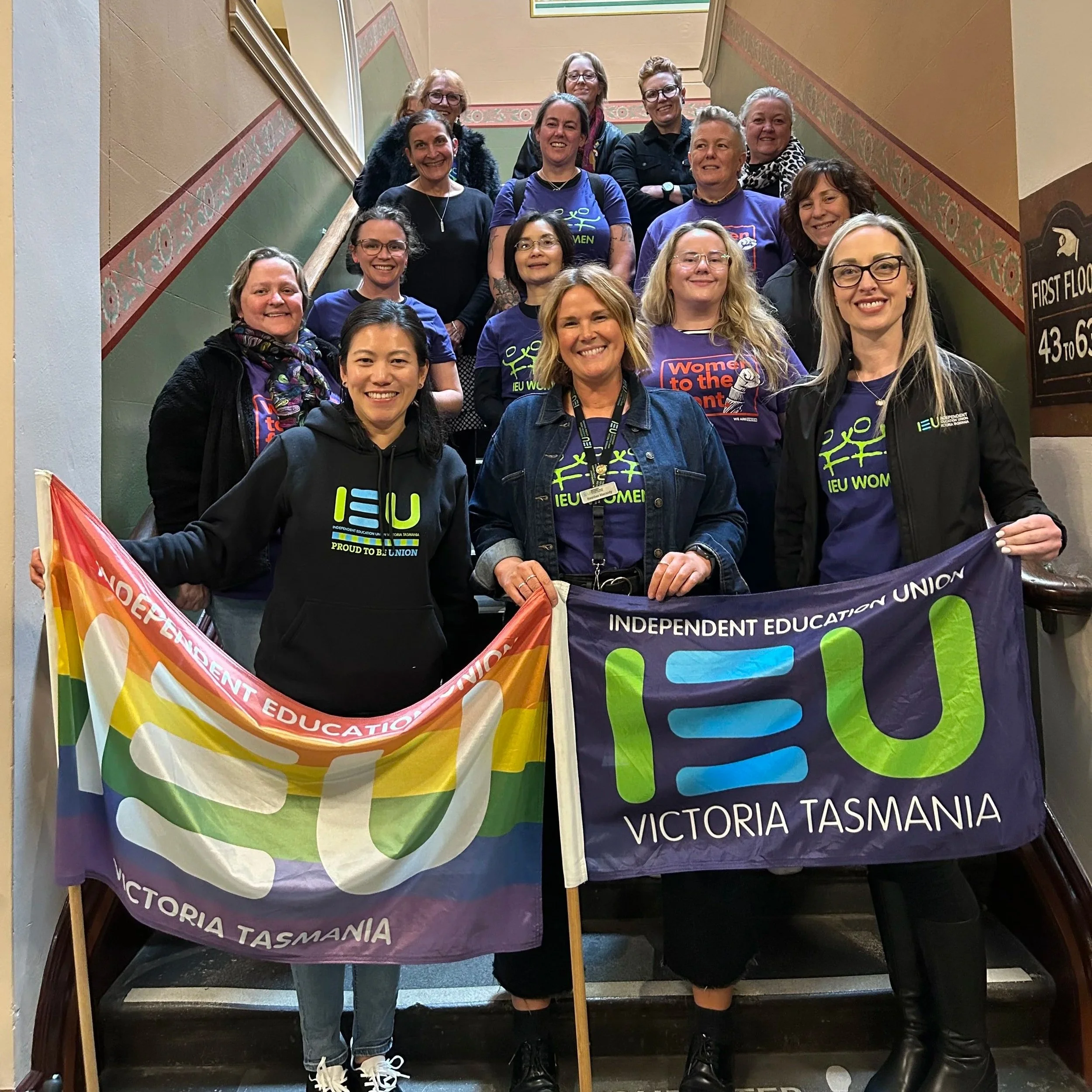
This year’s WRAW conference was a reminder that, across industries, the struggles of women and gender-diverse workers for something better are deeply connected.
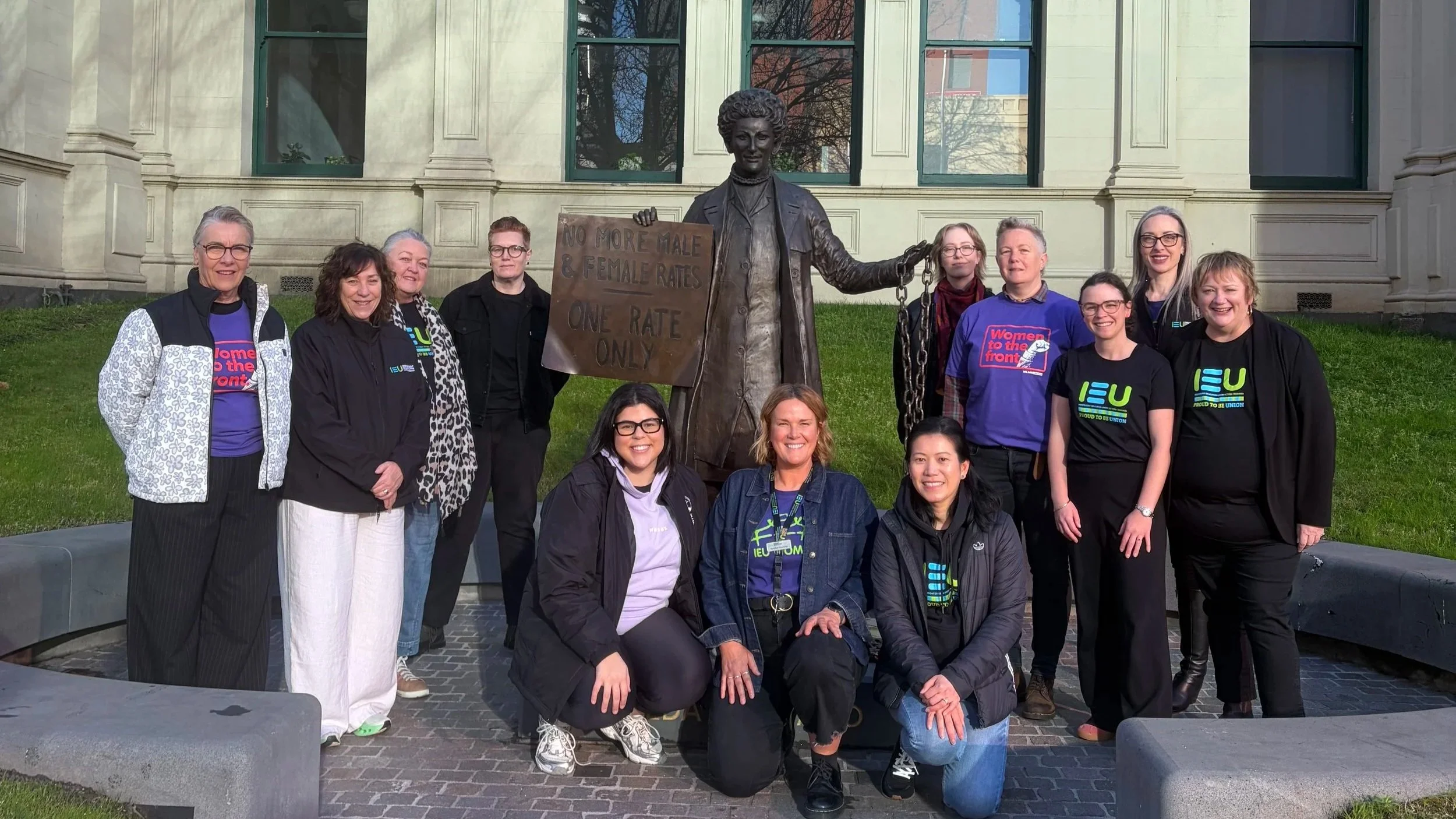
IEU WRAW participants posing with the statue of union legend Zelda D’Aprano out the front of Trades Hall
More than 200 unionists shared their experiences openly, contributing generously to enriching discussions over two days.
IEU participants said the conference was ‘empowering, reflective, hopeful, and inspiring.’
One of the highlights of day one was the Women on Strike panel, where IEU Rep Margaret Gatehouse, from St Laurence O’Toole’s School in Leongatha, spoke about Victorian Catholic educators’ fight for a Single Interest Authorisation (SIA) and the right to take protected industrial action. You can read our standalone story on Margaret’s outstanding speech in the upcoming edition of The Point.
Reflecting on the conference, IEU member Samantha Ferrero said, ‘Women have always been instrumental in the union movement, and our voices must remain at the forefront of workplace issues.’
Samantha says women’s strong representation in education means their voices ‘should be equally significant’ in shaping its conditions.
‘That means advocating on the big issues – workload, pay, flexibility, parental and reproductive rights, safety and job security – but it also means developing women at the workplace level who feel confident enough to organise, advocate and bring others with them.’
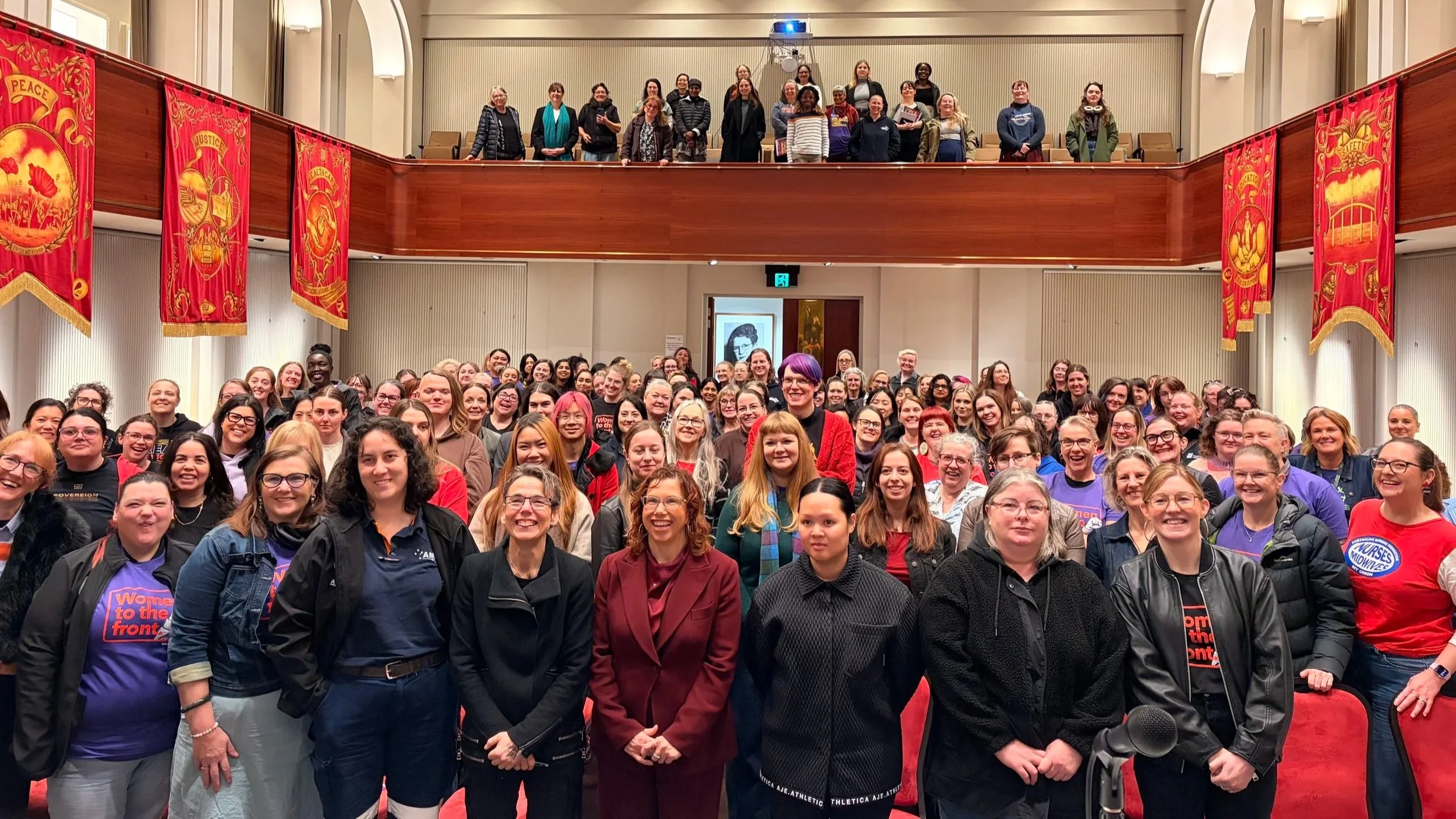
WRAW participants with Amanda Rishworth
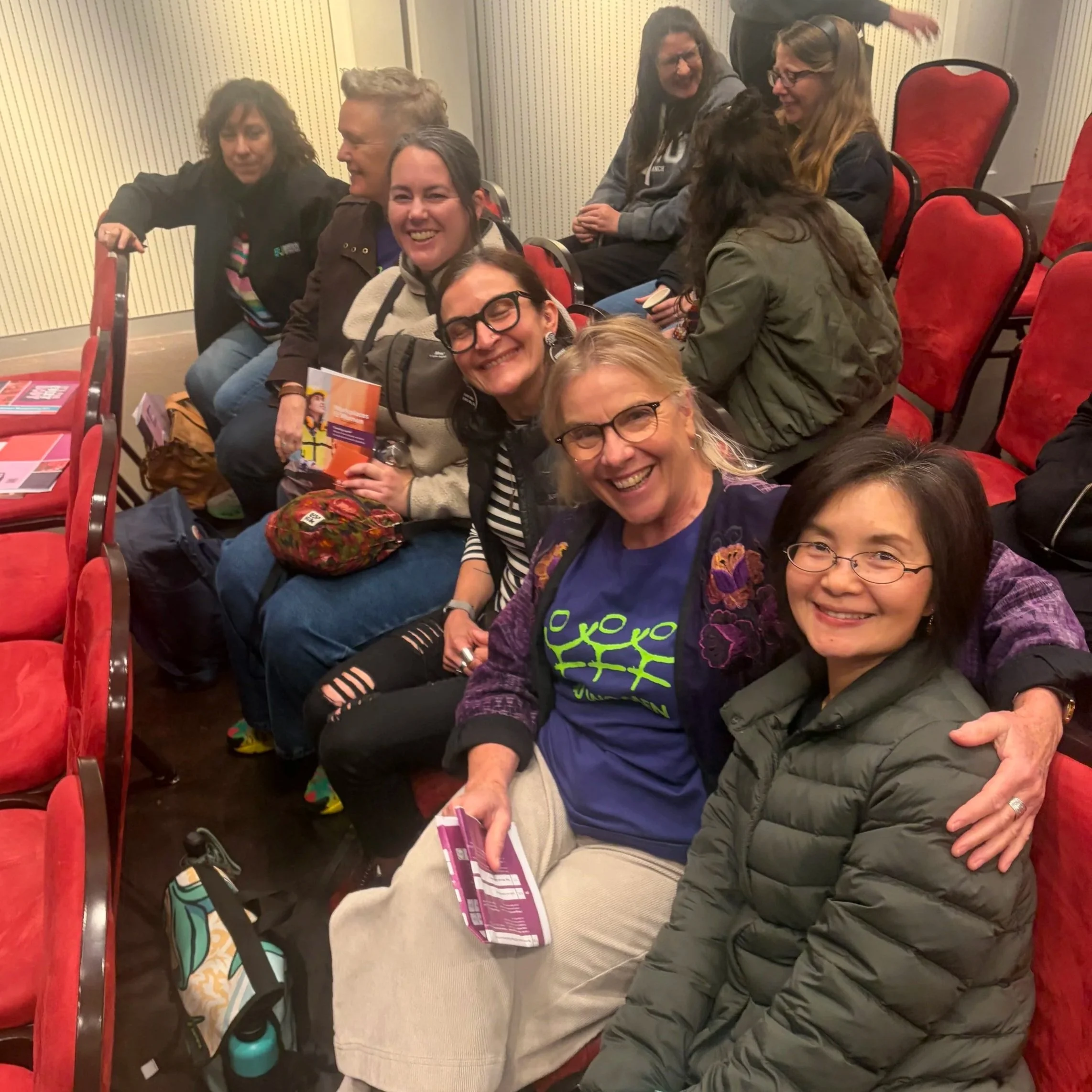
Sessions at WRAW
Treaty
Isobel Morphy-Walsh from Gellung Warl spoke about the importance of Victoria’s newly signed Treaty and how we can support and defend it. She said Treaty is fundamentally about listening to communities, recognising that the best solutions often come from within.
Amanda Rishworth
The Federal Employment and Workplace Relations Minister said achieving gender equality requires action in workplaces as well as systemic reform, with union delegates playing a vital role in identifying and addressing workplace inequality.
Gabrielle Williams
The Victorian Deputy Premier highlighted the scale of workplace sexual harassment and inequality, noting that around 90% of people who experience sexual harassment do not report it. She outlined the Safe Workplaces for Women initiative, which provides women with knowledge, support and legal representation while helping employers create safe, respectful workplaces.
Panel: Solidarity Matters: Combatting the Rise of Hate and Division
Yasmin Poole of Democracy in Colour stressed that allies must turn their privilege into tangible action and ensure racial justice is part of workplace and bargaining conversations. Jackie Turner of the Trans Justice Project called for visible solidarity, education, resourcing and active campaigning for trans rights, while Lara Watson of the First Nations Workers Alliance urged allies to listen to affected communities and support them to lead.
The collective message was that solidarity means moving beyond statements of support: sitting with discomfort, learning from mistakes and taking action alongside affected communities, including supporting First Nations people to lead conversations about Treaty.
Panel: Organising for Psychosocial Health at Work
The panel emphasised that psychosocial hazards such as excessive workload, occupational violence and harassment are workplace and systems issues, not individual failures to cope. New regulations provide an important tool for addressing these hazards, but they are only effective when workers report incidents and document patterns, and when employers proactively manage risks.
Active, empowered Health and Safety Representatives (HSRs) are crucial to making these protections work. The next step is using the stronger regulations to drive safer workplaces.
Panel: Women to the Front!
This panel highlighted the importance of women’s confidence and leadership in building collective power. Karlene Eaton from the Transport Workers’ Union urged members to take up training opportunities, while Teju Karande from the Rail, Tram and Bus Union urged participants to support women who have not yet found their voice and pass on the confidence others have given us:
‘When we help another woman find her voice, we strengthen all of us’.
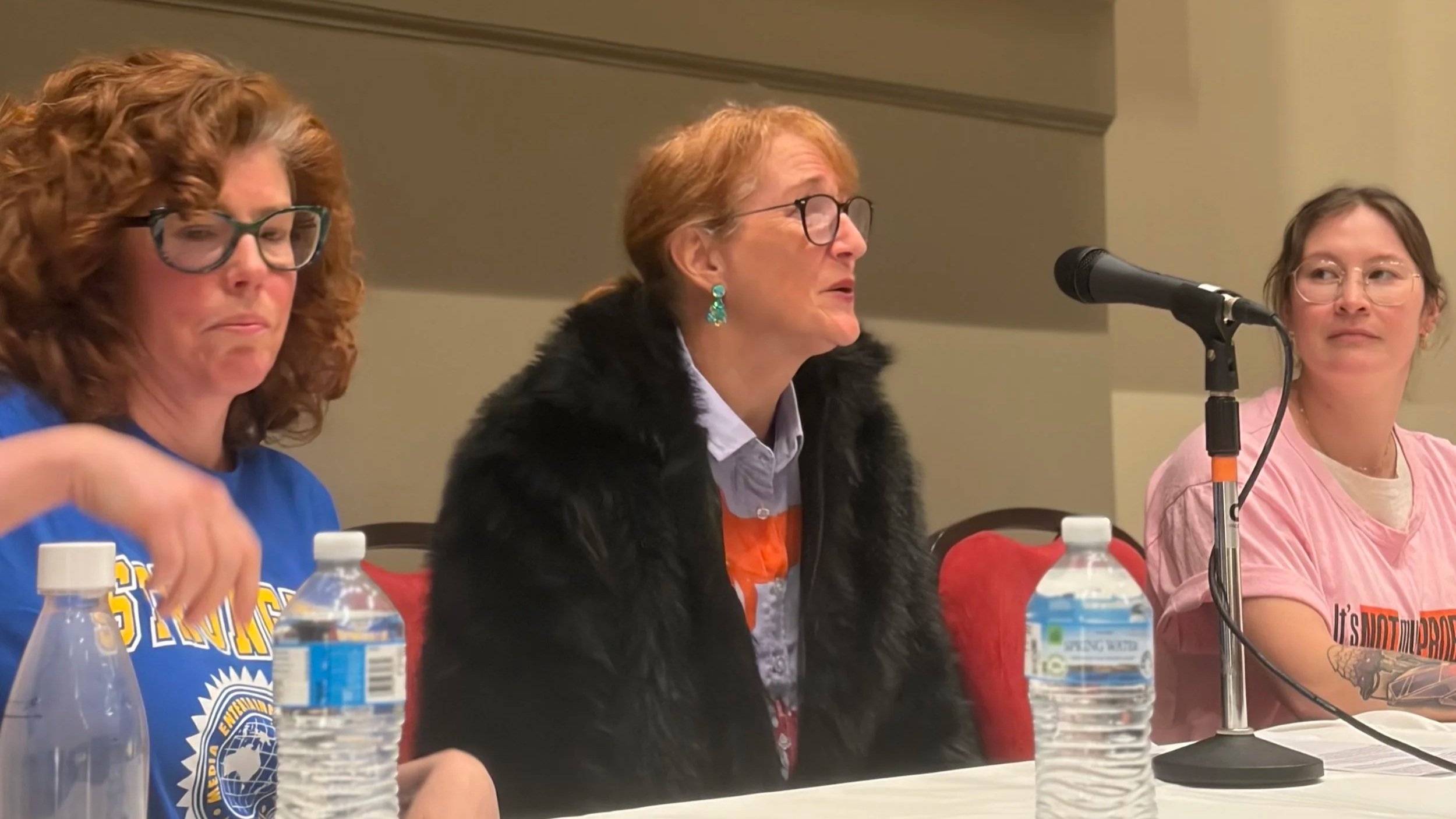
IEU Rep Margaret Gatehouse on the Women On Strike panel (read her full story in the upcoming edition of The Point)
The work we do as educators and unionists can sometimes feel heavy – when change is slow, the fights ahead feel enormous or we feel we are carrying them alone.
Events like WRAW remind us that we are part of a collective, continuing the work of women who organised, fought, spoke up and won changes that transformed our workplaces and lives.
We continue that work for those who come after us.
As one participant put it, ‘We have come a long way, and have a long way to go, but every small win is a big win.’
WRAW left participants with ideas, conversations and inspiration to take back into their workplaces. They return a little more empowered, and a lot more connected.