Learning the realities of education: insights from fresh teachers
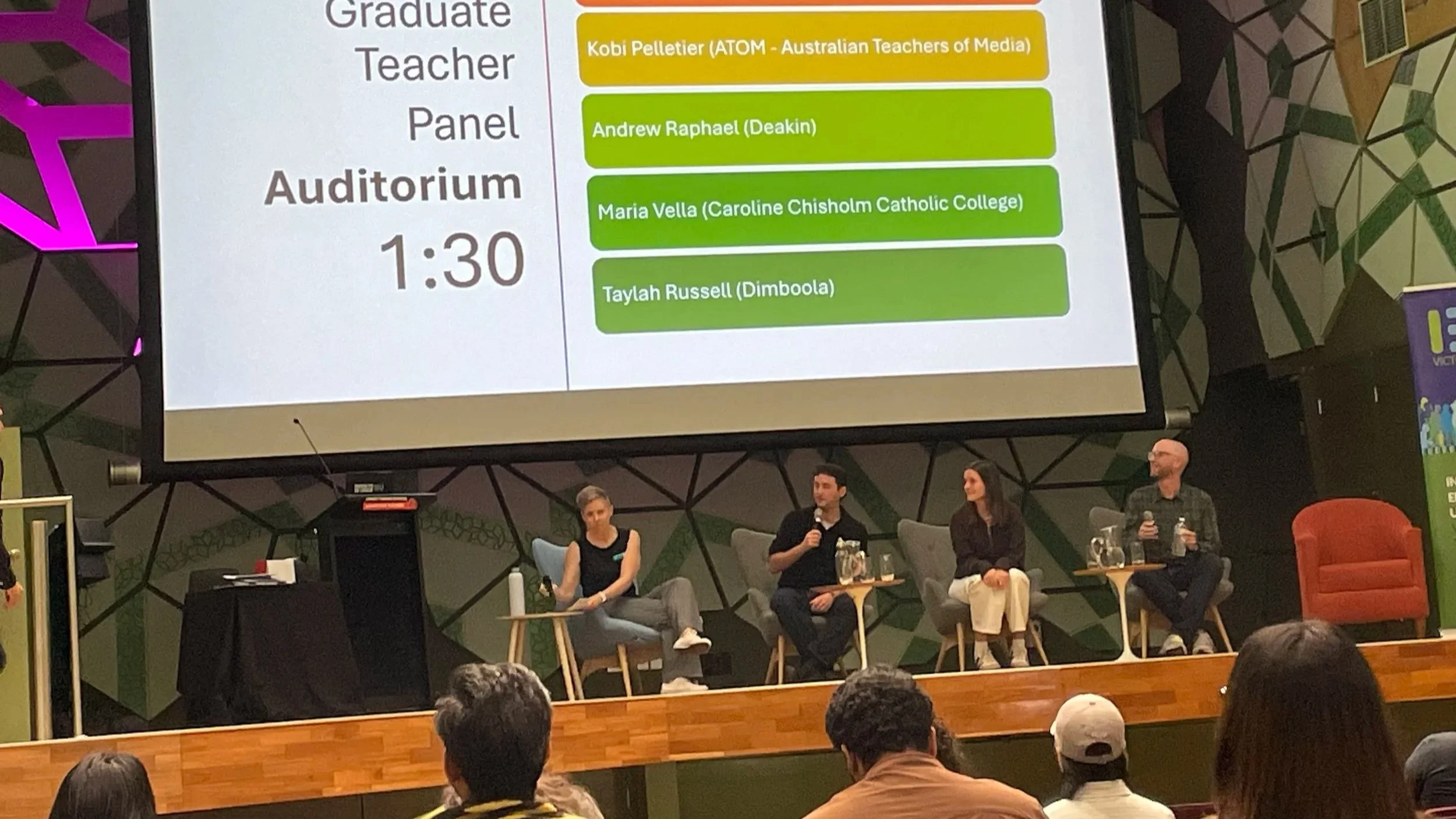
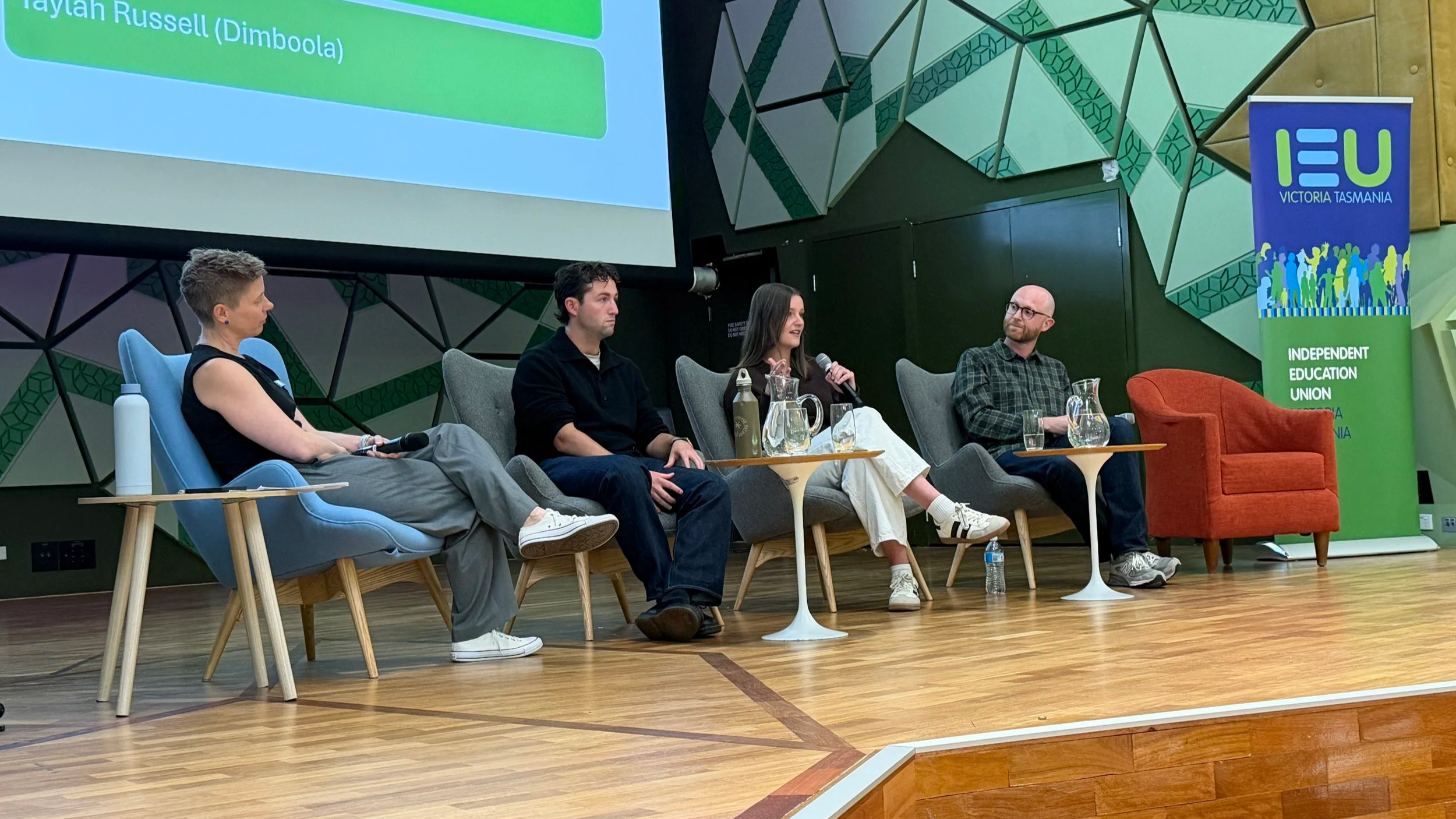
At the recent Teaching Forward Conference, early career teachers Andrew, Kobi and Taylah shared their pre-service experiences, proving a sense of humour – and perspective – was necessary to deal with the inevitable challenges faced early in an educator’s career.
Early in his first placement, Andrew Raphael thought he was in control. But when his back was turned, chaos erupted – students threw toys, ran up and down stairs, and overturned tables. On Kobi’s second day teaching literacy a table was knocked over during a scuffle. In one of Taylah’s first Year 9 classes students used a shoe as a football and the classroom as a playing field.
“I had a bit of a cry after that lesson,” she admitted, noting, “You will sometimes have a cry, and then you get back up and get back in.”
It was that good-humoured resilience which typified this session, the most practical of the conference. The trio of young educators decided to break the ice with their ‘horror stories’, because however terrible the experiences were that they described in the moment, they soon became sources of laughter in the staff room.
This was the attitude you need, they were telling attendees, if you were going to thrive in education.
Perfection, enemy of reality
Kobi suggested that pre-service teachers shouldn’t aim for perfection: “Sometimes you have to be okay with being at 80 percent. There are so many moving parts –you have to be kind to yourself and move on”.
Taylah emphasised connecting lessons to student interests; her students showed an interest in AUKUS submarines, so she tied that back to the curriculum’s history of World War II alliances.
Balancing teaching responsibilities was another key insight. Andrew highlighted the tension between pastoral care, curriculum delivery, and study design. “A good teacher helps students learn while also showing they care about them,” he said.
They all said mentorship and school support were critical. Taylah credited her mentor for teaching her to collaborate and seek help, while Andrew spoke of the supportive culture at his school: a tight-knit team where teachers could debrief, discuss controversial topics, and socialise, making the workplace enjoyable and developmental.
They also advised prospective teachers to choose their schools carefully. Consider resources, school culture, and priorities. Taylah, teaching in a rural setting, contrasted city and country schools: rural schools have fewer resources and require more initiative but allow for closer relationships with students and families. Andrew shared his experience at a boys’ school, learning to adapt to a different environment and understanding the diverse needs of students.
Maintaining balance outside school was also highlighted. Two of the three practised Pilates, in part because it made them leave school at a certain time. Taylah praised it for providing a “a mental break unrelated to school”.
The reflections of this upbeat, honest trio underscored the complexity of teaching and the resilience required of new educators but also offered reinforcement that everyone present had chosen a rewarding path.
With support, mentorship, and self-care, pre-service teachers can learn to navigate classrooms, build relationships, and grow into their professional roles.
On classroom challenges and early teaching lessons
Andrew: “Never turn your back on your students.”
Koby: “Don’t stand between people fighting.”
On mentorship and school support
Taylah: “I was lucky with a mentor. She taught me that you need to collaborate and ask for assistance ̶ you can’t do everything yourself.”
On choosing the right school
Taylah: “Finding a school you connect with is important ̶ it’s a teacher’s market, so you can be selective.”
Registration and professional development
Koby recommended completing VIT registration in the first year and aligning it with school PD to maximize learning.
On maintaining wellbeing and life outside teaching
Andrew: “Teaching is all-encompassing, so it’s important that it’s one of your identities, not your only identity. Give your energy, but don’t feel like you never leave work.”