
Music is more than an optional extra
Most people hold music dear – it shapes our memories, connects communities and expresses ideas and emotions that words cannot capture. Not everyone you see wearing headphones is listening to a podcast! Yet music is often treated as a specialist subject available only where resources allow.
When The Point invited five IEU music teacher members to share their thoughts, the response was immediate and enthusiastic. These highly credentialled musicians are passionate about their craft and the vital role of music education in students’ lives.
In the following linked articles, they explore how to help music education flourish and share their musical and teaching journeys.
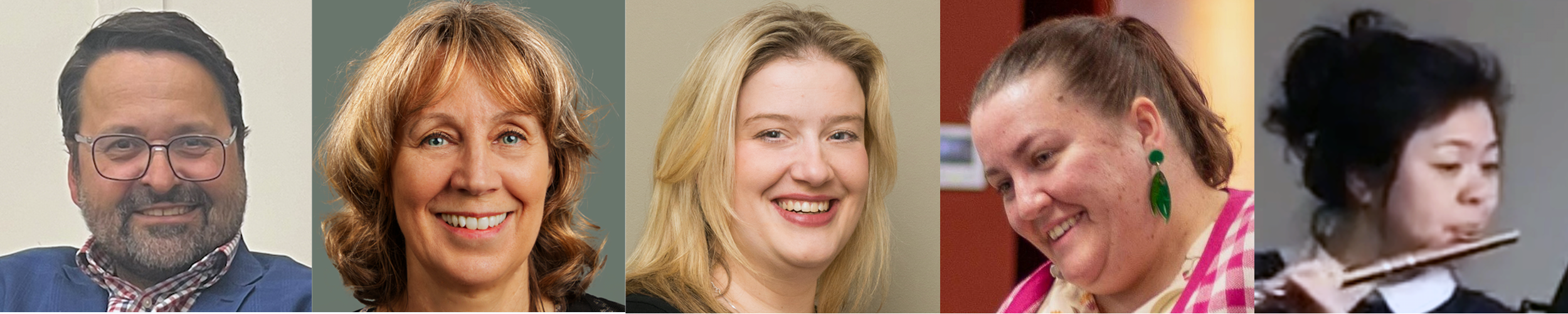
Our IEU member music education experts:
Nick Cowall: Music belongs to everyone. IEU Rep, Head of Choral Music, Xavier College. Composer, singer, former Director of Music and Performing Arts.
Dr Johanna Selleck: A life in music, a life of teaching. Instrumental teacher, PLC. Composer, flautist, musicologist.
Sarah Nieuwkerk: From the concert hall to the classroom. Strings teacher and conductor, Ballarat Clarendon College. Symphony Orchestra conductor, violinist.
Kylie De Calmer: Why music belongs in every classroom. Music teacher and conductor, Dominic College, Hobart. Musical Director.
Karman Melitsis: Making music part of school life. Music teacher, The Knox School. Classical flautist, co-founder, Ochre Trio.
Why music matters
Nick
Music is worth teaching for its own sake: it is valuable, distinctive, and it can empower our students in remarkable ways. Yes, music supports learning – but it also matters because it belongs in a well-rounded education and contributes to a healthy society.
Karman
Music education cannot be defined purely by enrolment numbers, accolades or financial outcomes. It is a subject that will have a lasting impact on every individual who experiences it.
Sarah
Music is good for the soul.
Students who study music, whether as instrumentalists or singers, develop resilience, creativity and problem-solving skills.
Kylie
Music needs to be recognised as not just the optional extra, the fun, the distraction; it needs to be recognised as a fundamental part of our humanity.
Johanna
Music brings joy, focus, and discipline into every aspect of life. It should be incorporated as much as possible into the everyday life of schools.

Why teaching music matters
Sarah
In music education, resilience and persistence are fostered in every single encounter with our students.
Musicians learn quickly that mistakes are part of a process, not things to be feared and seen as failures.
Particularly in a co-curricular setting such as a band, orchestra or choir, the joint effort and teamwork that prevails when you have all the cogs working well together is powerful. It creates a sense of belonging, as you know how and where your part fits within a larger whole.
Karman
For some students, the music department provides an opportunity to create meaningful relationships with other students they may not usually connect with.
The bonds I form with students have remained constant. I look forward to celebrating successes, seeing how music can support them through different facets of their lives, being on stage with the students and being part of a team with them as they grow as musicians and individuals.
Nick
Teaching music creates connection and belonging. A music classroom or rehearsal room can be one of the few places in a school where students feel they’re part of something bigger than themselves – especially in ensembles or massed singing classes, where every student matters and everyone contributes.
I also love how visible the growth is. Students can hear and feel their progress, and that success often builds confidence that carries into other areas of school life.
Music is part of being educated – it’s not a luxury. When students learn music authentically, they gain a way to express themselves, participate in community, and experience joy and meaning.
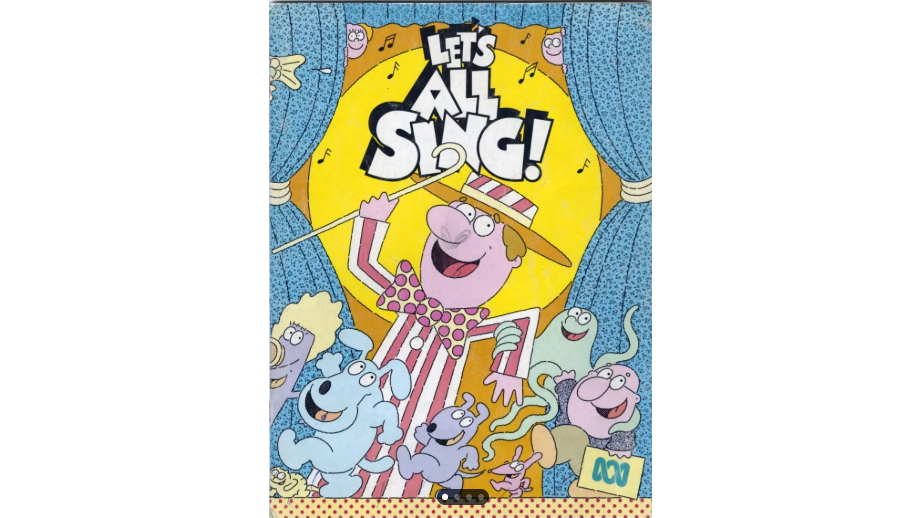
In the 1970s, weekly singing classes featured in many Australian schools.
What music teachers need to thrive
For music education to thrive, teachers say it needs to be treated as core learning, with sustained programs, adequate staffing and resources, and enough time for teachers to do their work properly.
For Sarah, the challenge begins with increasingly crowded curriculums. She says there is ‘a constant fight for time’ to provide a ‘meaningful music offering’, particularly in senior years, where schools may prioritise subjects perceived to improve ATAR outcomes.
‘Independent schools often want the ranking scores that look best for their brochures and that means prioritising subjects such as sciences and languages which on the whole scale up for a higher ATAR score.’
Nick says music is vulnerable whenever timetables tighten or budgets are reduced. ‘Music is often the first thing cut,’ he says.
‘Excellent musical outcomes depend on consistency, not one-off events.’
He argues that every student should have regular, timetabled music learning, rather than access being limited to those who opt into an ensemble.
The hidden workload
Successful music programs require considerable work beyond classroom teaching, including rehearsals, performances, administration, instrument management, recruitment and parent communication.
In some schools, Nick says, one person is expected to manage curriculum, ensembles, events, recruitment, inventory and promotion without additional time allocation.
‘If we’re serious about music being integral, we have to protect instructional time, staffing and budgets,’ he says. ‘If the school requires it, it has to be scheduled and compensated – not assumed.’
Valuing specialist expertise
Instrumental teachers face particular challenges. Johanna says they are highly skilled professionals whose expertise should be properly recognised.
‘Most instrumental teachers are highly skilled and play in prominent ensembles and we deserve to be valued.’
She describes instrumental teaching as ‘one on one and very intense’, requiring substantial preparation and additional work. She wants more instrumental teachers to have secure part-time employment rather than casual arrangements.
‘The union helps us get full workloads recognised,’ she says.
Sarah points to inconsistencies in how instrumental teachers are employed and supported across the independent, Catholic and government sectors.
‘To train a student to VCE level on any chosen instrument takes a level of expertise beyond that of most classroom music teachers. Yet, this part of music education is often paid at casual rates or at Education Support rates.’
Making music accessible
Nick says access to instruments and tuition should not depend on what families can afford.
‘Equity has to be designed in from the start,’ he says, including ‘access to instruments, sensible beginner pathways, and removing cost barriers’.
Karman also emphasises the importance of making music visible throughout school life. Performances, she says, are ‘one of the greatest tools for music advocacy in schools’. This year, her school combined its beginner and senior concert bands for an ANZAC Day commemoration, bringing more than 80 students together and demonstrating cross-age learning and mentoring.
Protecting teachers’ wellbeing
Music teaching can also extend beyond the standard school day. Karman says fluctuating hours make it important for teachers to protect their wellbeing.
‘We need to ensure that we are looking after our personal wellbeing so that we can continue to deliver our best for the students and school,’ she says.
For these teachers, making music matter means giving it the time, resources and recognition needed to flourish – and ensuring the teachers who make it possible have secure employment, manageable workloads and a strong collective voice.
