Dr Johanna Selleck, A life in music, a life of teaching
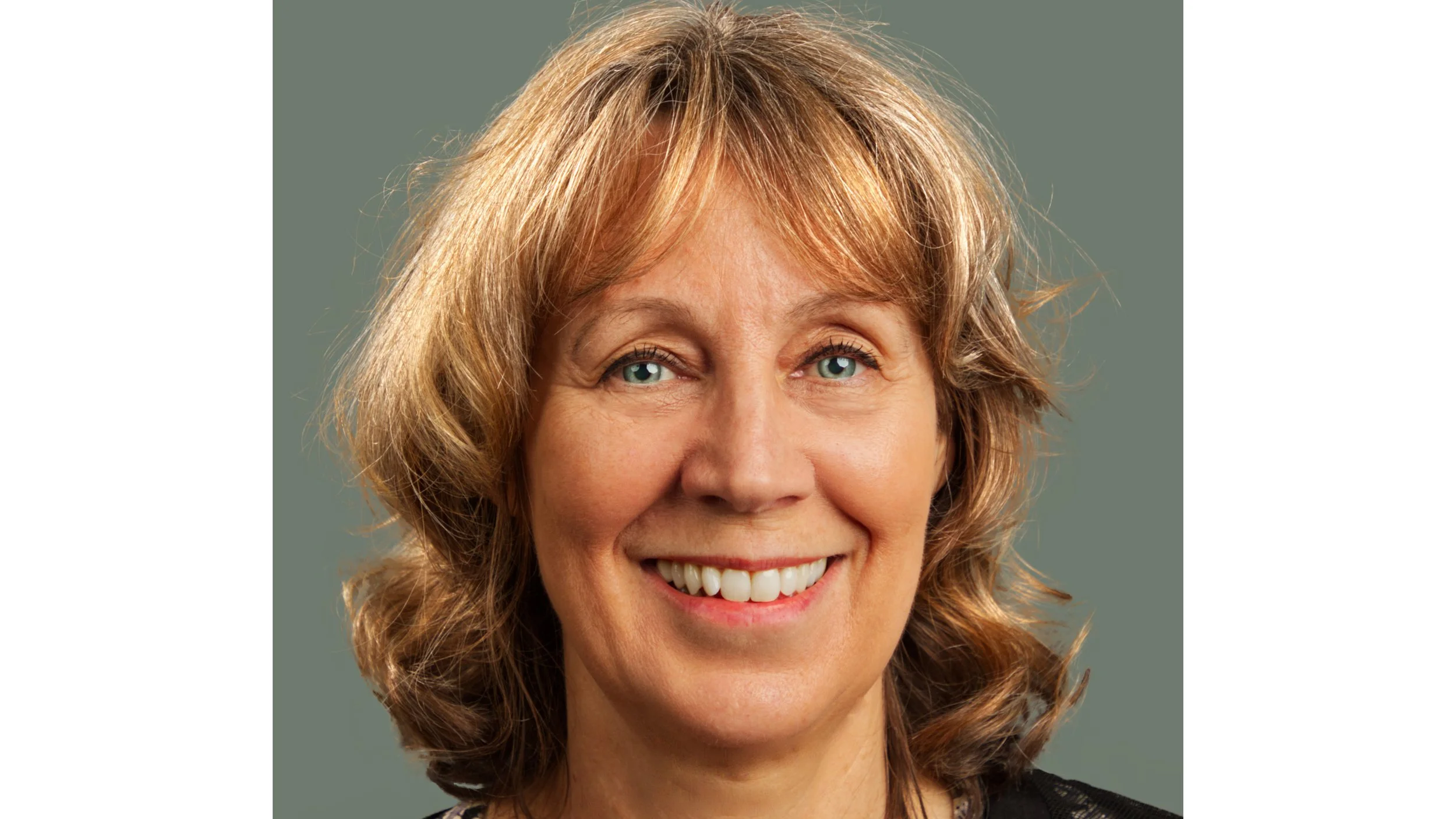
Like so many high-achieving musicians who teach, IEU member Dr Johanna Selleck is motivated by love.
‘I do the job because I love music, it’s had a huge impact on me, and I want to share that. Teaching is the most positive impact I can have in the world.’
A renowned composer, flautist and musicologist, Johanna holds a PhD in composition from the University of Melbourne, where she is now an Honorary Fellow.
Her music has been performed by symphony orchestras, while her research appears in scholarly journals.
But teaching remains central to her life. Johanna has taught flute and composition at Presbyterian Ladies’ College and other Melbourne independent schools for 40 years.
She also runs and volunteers with Music for All, helping people with disability, additional needs or financial disadvantage learn an instrument.
The power of policy
‘We need policies that recognise the importance of music,’ Johanna says.
She points to the 2013 Victorian Parliament Inquiry into the Extent, Benefits and Potential of Music Education in Victorian Schools.
That report concludes that music education ‘should be regarded as an essential component of a well-rounded education rather than an optional enrichment activity’.
It recommended a state-wide music education policy, greater awareness of music’s benefits among school leaders and teachers, and increased support for primary music teachers.
Johanna is dismayed by the 2025 Independent Review of the Victorian Public Service, which recommended ceasing funding for the Secondary Instrumental Music Program. She says the absence of music from the Victorian Government’s 2025–2029 Strategic Plan reflects ‘an inherent lack of understanding of the value of music education’.
It also hasn’t helped, she says, that tertiary arts degrees have become far more expensive, reducing the number of music teachers graduating.
Johanna says it is vital to ‘make people aware of the importance of the huge benefits of music. It’s a job to do inside school and with parents outside’.
‘Every child deserves the chance to play music.’
It hasn’t always been this way
Johanna says that in 19th-century Australia, having music in the home and community was ‘aspirational’, with widespread participation.
‘Music was more central to life in colonial Australia. At one stage, Australia was known to have more pianos than anywhere in the world. They used to be dragged across the outback on bullocks!’
She says communities ‘flooded their town halls’ to hear performances, reflecting ‘a real appreciation for the cultural value of music’.
Johanna attributes the shift away from music education to policy shortcomings, financial pressures on families and broader cultural changes, with students now having ‘every moment of their day’ filled with organised activities.
‘They face huge pressures. We had more free time when I was a child. Their lives are much more managed.’
Privilege and disadvantage
Johanna teaches at a well-resourced independent school, but she also runs the Music for All program, a community music initiative developed by the Dandenong Ranges Music Council, supported by Yarra Ranges Council.
‘My volunteer work supporting disadvantaged people complements my work in the private sector. Although each requires different skills, I learn from both, and the experience gained in one feeds into my work in the other.’
‘They all have needs – the needs of private school kids are just as important, they’re just different.’
Johanna points out that at many private schools, instrumental lessons are not covered by school fees but are an additional cost for parents.
Music for All, by contrast, offers free lessons for disadvantaged children.
‘It is open to all comers, but we prioritise those we know cannot afford it. We provide instruments, practice space, pay for teachers.’
Music is for life
Music for All is also available to older people experiencing social isolation.
One of Johanna’s students, an elderly and frail man, once missed his bus connection and, rather than miss his lesson, walked for an hour through the Dandenong Ranges.
Such people keep Johanna teaching.
She loves ‘the joy of music and making a difference for people’.
‘While I’m able I will keep teaching and playing in any way that I can be involved.’
The Point music education feature:
Feature: Music is more than an optional extra
Sarah Nieuwkerk: From the concert hall to the classroom
Nick Cowall: Music belongs to everyone
Karman Melitsis: Making music part of school life
Kylie De Calmer: Why music belongs in every classroom